

Open-source ecosystem builds
Apache 2.0 license means Wan 2.7 outputs are free for commercial use with no ZOOOP-specific licensing strings — important when downstream redistribution matters.

Alibaba's open-weight video flagship — 27B MoE architecture, 1080p, native audio, instruction-based editing, Apache 2.0.
Betal en gang for kreditter - brug dem på tværs af hver model på ZOOOP. · Fyld op, når du har brug for det, ingen månedlig forbrænding.
Powered by Wan AI's API on ZOOOP
Lock the opening and closing frame of a clip; Wan generates the motion that bridges them. Combined with text prompts, this is the most controllable way to hit an exact visual ending.
Generated audio includes dialogue, ambient sound, and music — synchronized to the picture in the same generation pass, no separate TTS or Foley step.
Pass an existing video plus a text instruction ("change the background to a beach," "make the jacket red") and Wan applies the edit while preserving motion and identity.
The full Wan 2.7 suite — text-to-video, image-to-video, first/last frame, instruction editing — ships under Apache 2.0. Outputs are free for commercial use; weights are open for self-hosting.
Apache 2.0 license means Wan 2.7 outputs are free for commercial use with no ZOOOP-specific licensing strings — important when downstream redistribution matters.
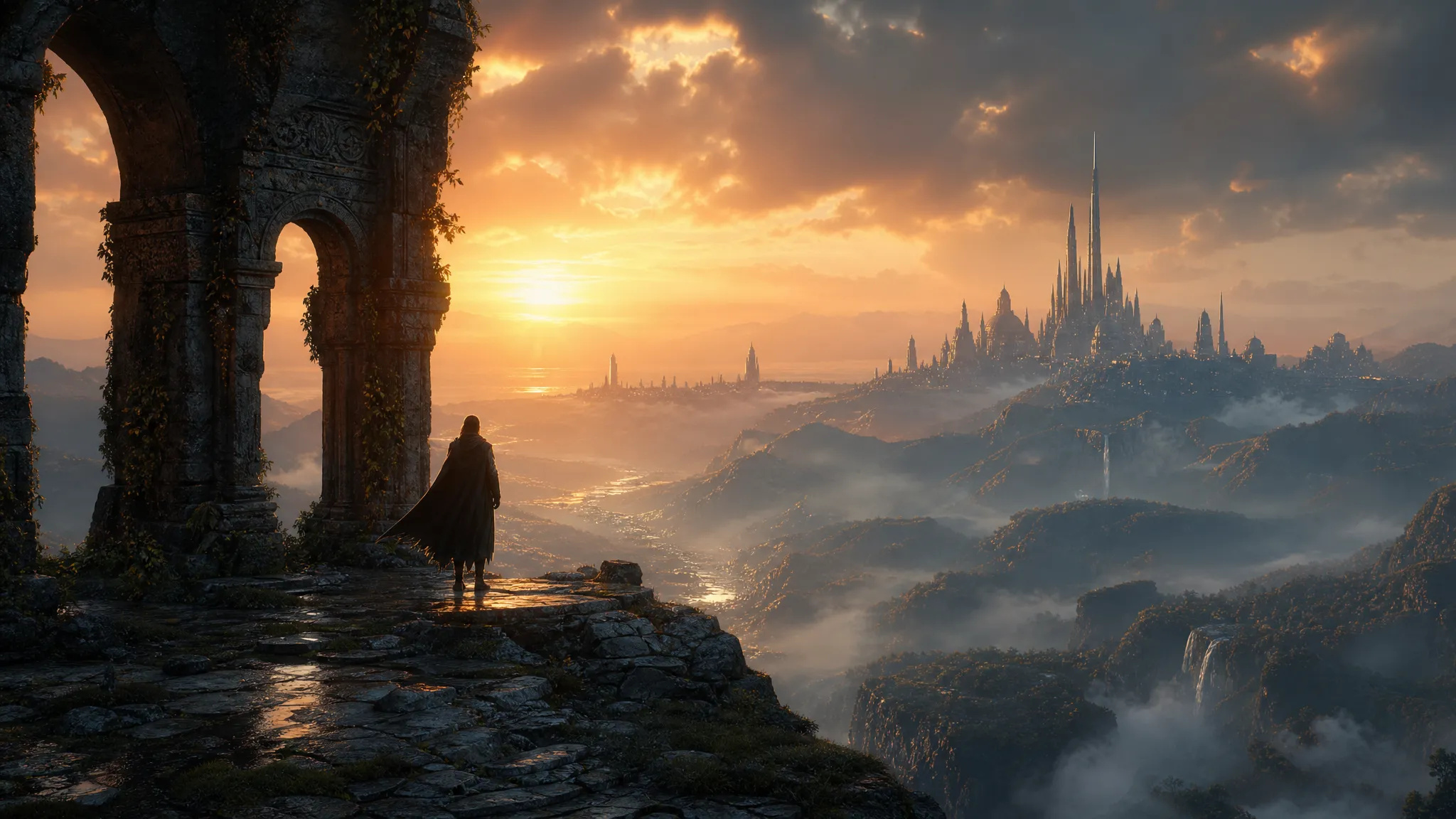
First/last frame control gives you precise timing — animate a still poster, lock the ending frame so the next scene cuts in clean.
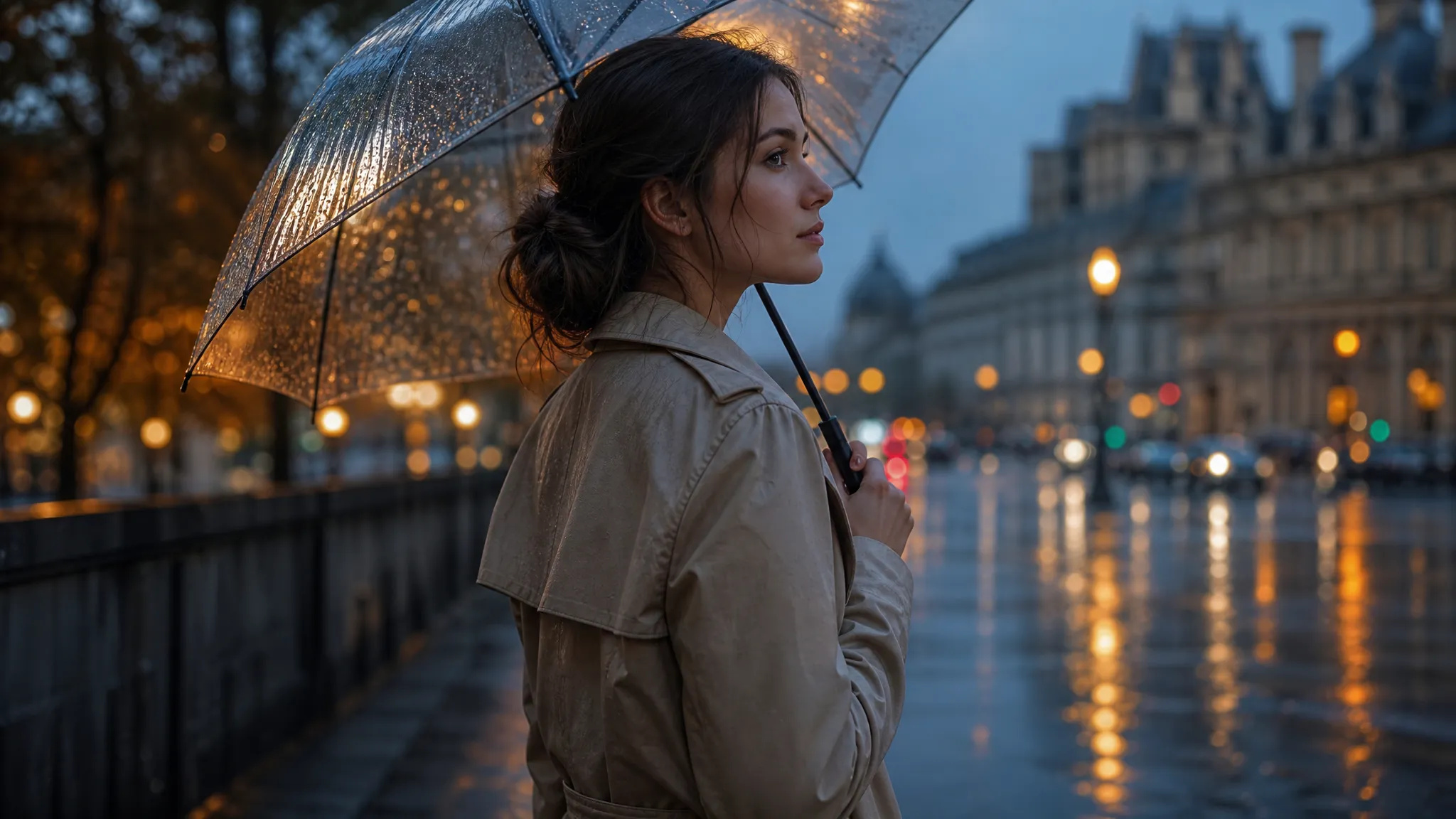
Instruction-based video editing reskins your footage — change wardrobe, swap backgrounds, shift the season — while keeping the original motion.
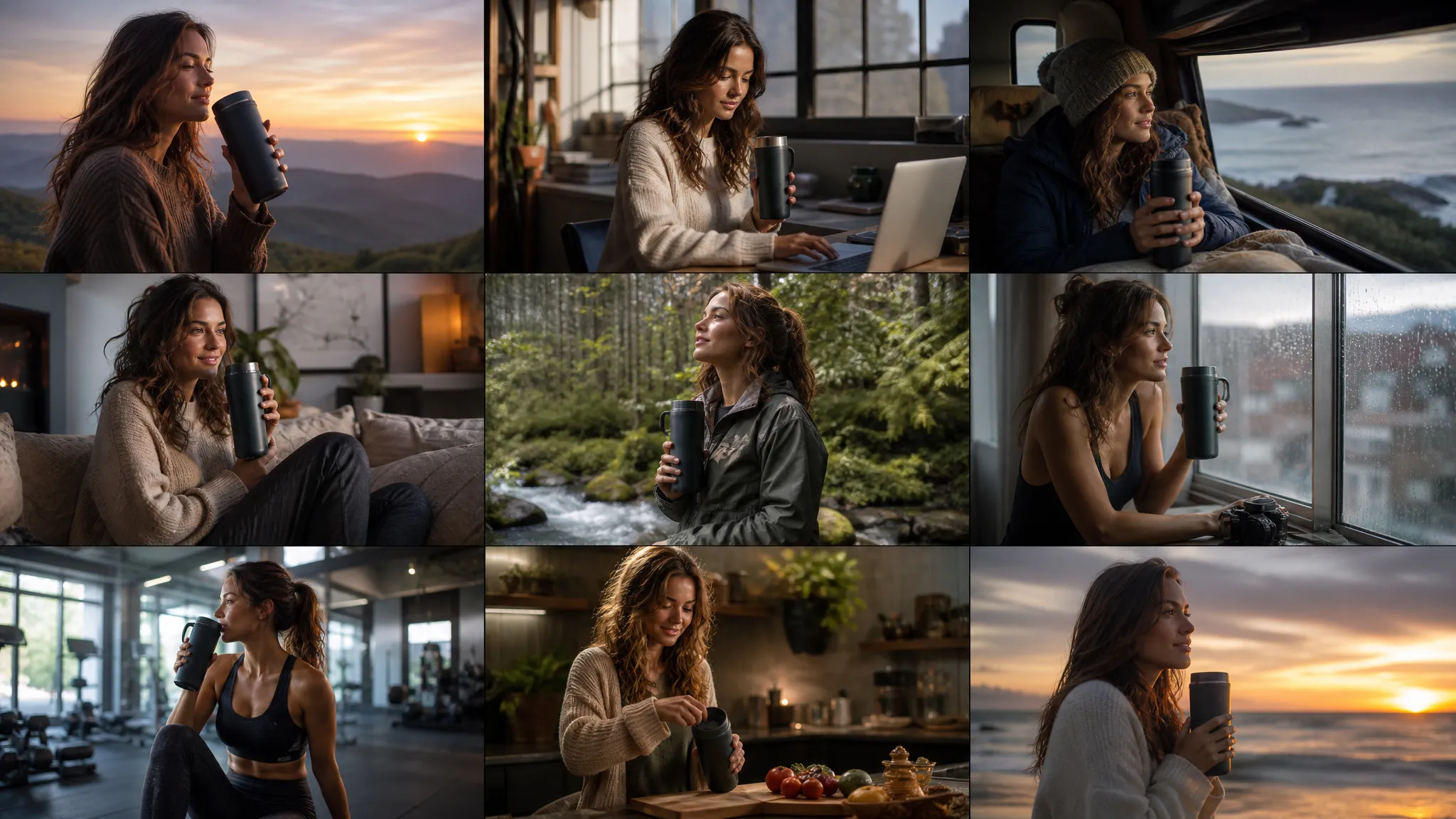
Generate from a prompt or animate a still — Wan handles both text-to-video and image-to-video with native audio in one model.
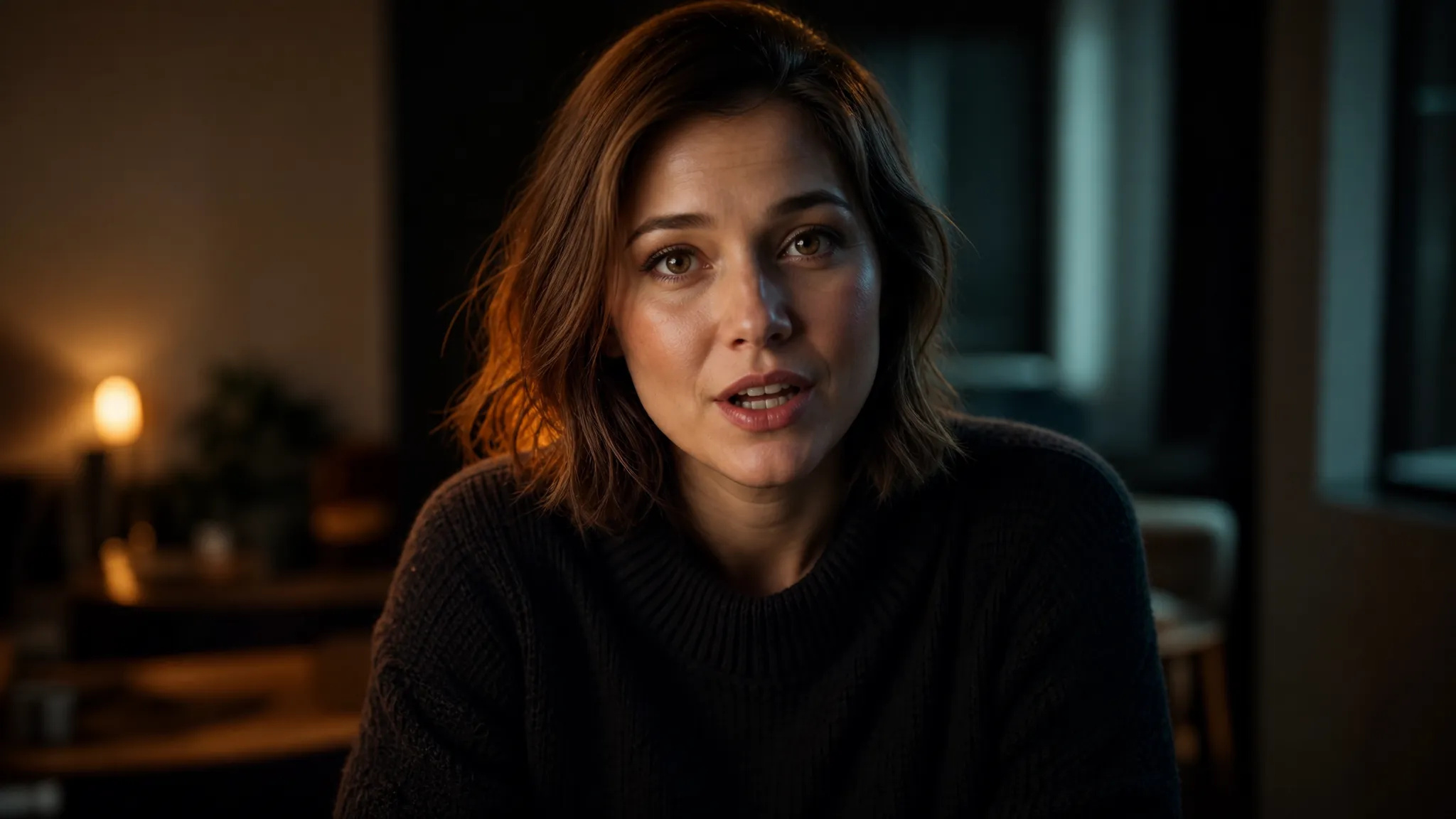
Dialogue, ambient, and music are generated with the picture in one pass — social shorts with synced sound, no separate audio step.

Open-weight licensing plus flagship-tier quality makes Wan the pick for high-volume batch production you can redistribute freely.
Wan 2.7 is the best open-weight option and the strongest at instruction-based edits. Switch when your shot needs something else.
Open Wan 2.7 from this page or pick it in the Video Generator.
Pick the mode — text-to-video, image-to-video, first/last frame, or instruction edit.
Write the prompt — Wan reads motion descriptions and audio cues precisely.
Pick duration (up to 10s), resolution (up to 1080p), and generate.
Wan 2.7 is the model that broke the closed-source moat on flagship-tier video. For the last 18 months the top of the AI video leaderboard has been controlled by closed weights — Veo, Kling, Seedance, Runway — with the open ecosystem stuck a generation behind. Alibaba's Tongyi Lab shipped Wan 2.7 in April 2026 under Apache 2.0, packaged as a full suite: text-to-video, image-to-video, first/last frame control, and instruction-based video editing. The result genuinely competes with the closed flagships on resolution, motion fidelity, and audio — all while staying open-weight under Apache 2.0.
The architectural choice behind that is a 27-billion-parameter Mixture-of-Experts (MoE) model that activates only ~14 billion parameters per generation. The MoE design gives Wan 2.7 the capacity advantages of a much larger dense model — better world knowledge, better style coverage, better motion physics — while keeping inference latency closer to a 14B dense model. For high-volume production work (ad-tech generation, batch storyboarding, large content libraries), this is the model that scales.
The capability that sets Wan 2.7 apart functionally is instruction-based video editing. Pass an existing clip plus a text instruction — "make the jacket red," "change the background to a beach," "shift to golden hour" — and Wan applies the edit while preserving the original motion, character identity, and scene geometry. The closest competitor here is Veo's restyle pipeline, but Wan's instruction parser is more flexible. For agencies that have client footage they need to remix without re-shooting, this is the model that closes the loop.
Other notable capabilities: first/last frame control lets you lock the opening and closing frame and have Wan generate the bridging motion — useful for hitting specific narrative beats and for chaining clips that need to connect cleanly. Native synchronized audio — dialogue, ambient, and music — is generated with the picture in the same pass, lip-synced without a separate Foley step.
Where it's weaker: on top-end visual fidelity in single-shot work Veo 3.1 still has the edge at 1080p+ and the 4K upscale path. On multi-modal reference Elo Seedance 2.0 leads the public benchmarks. On explicit multi-shot storyboarding with hard cuts in one prompt, Kling V3 is more controllable. Wan's sweet spot is open-source friendliness, instruction edits, and batch production.
A reasonable mental model: Wan 2.7 is the default when you need open-weight provenance, high-volume batch production, or an editing-heavy workflow. For top fidelity, Veo 3.1. For reference-heavy shots, Seedance 2.0.
Yes — Alibaba's Tongyi Lab released the full Wan 2.7 suite under Apache 2.0, including text-to-video, image-to-video, first/last frame, and instruction-based video editing variants. ZOOOP routes through the hosted API for production reliability; the underlying weights and code are open for self-hosting.
Wan 2.7 is built on a 27-billion-parameter Mixture-of-Experts (MoE) model. Despite the parameter count, the MoE design activates only ~14 billion parameters per generation — so it stays efficient at inference while having the capacity advantages of a much larger dense model.
Pass an existing video clip plus a text instruction (e.g. "make the jacket red"), and Wan applies the edit while preserving the original motion, character identity, and scene geometry. This is one of the strongest editing implementations in any current video model.
Up to 10 seconds per generation at 1080p. Combined with first/last frame control, you can chain clips that connect cleanly — Wan reads the previous clip's final frame as the next clip's start frame, preserving continuity.
Wan 2.7 has the strongest open-weight story among flagships, plus uniquely strong instruction-based editing. Seedance 2.0 leads on multi-modal reference inputs and Elo scores; Veo 3.1 leads on raw resolution and 4K. Pick Wan for editing workflows and open-source provenance.























Første og sidste rammevideoTekst og henvisning til videoVideoredigering
Første og sidste rammevideoTekst og henvisning til videoVideoredigering
Første og sidste rammevideoTekst og henvisning til videoVideoredigering
Første og sidste rammevideoTekst og henvisning til videoVideoredigering
Første og sidste rammevideoTekst og henvisning til video
Første og sidste rammevideoTekst og henvisning til video
Wan 2.7
Prompt*
Billeder
Aspektforhold*
Opløsning*
Varighed*