
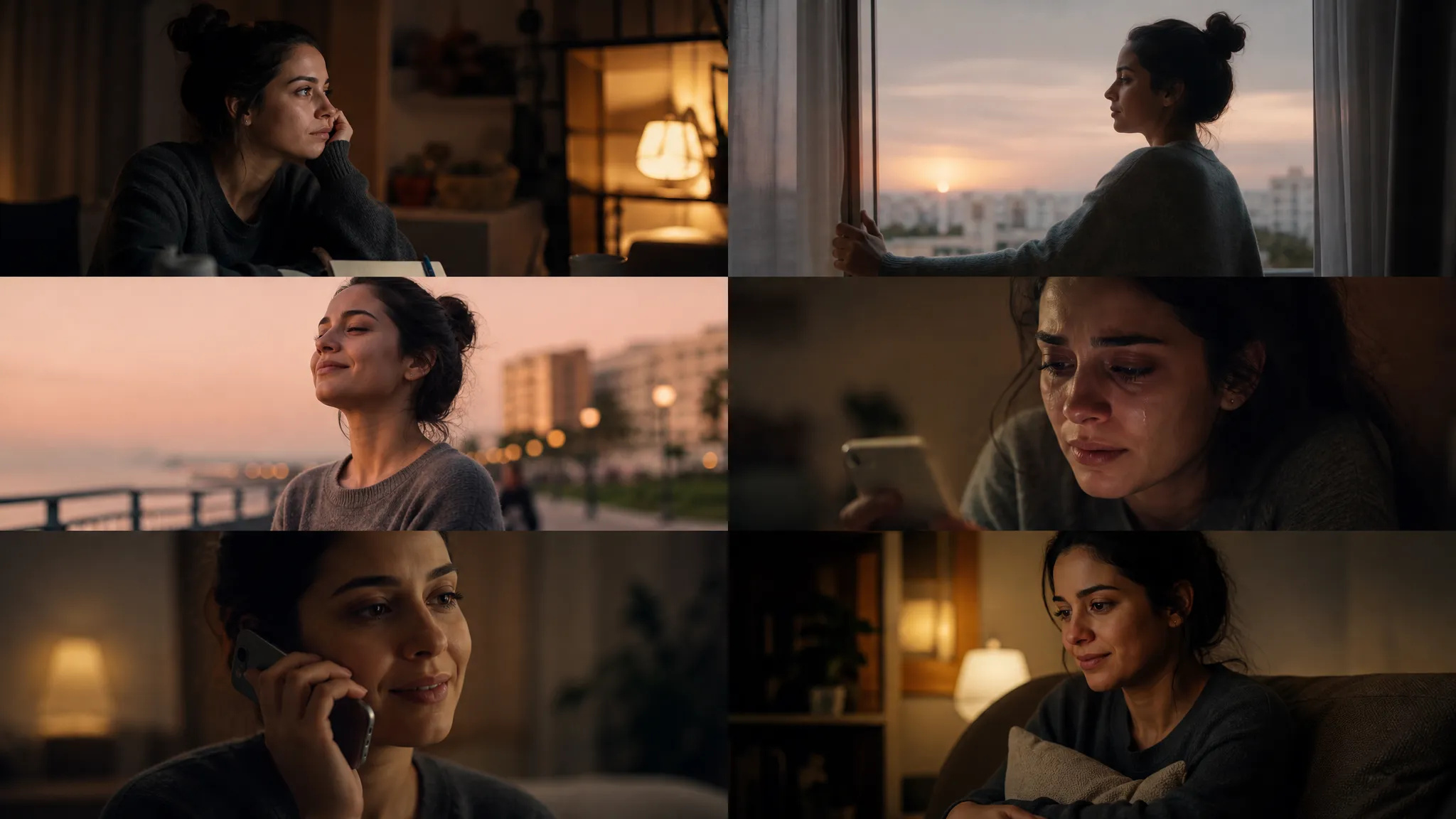
Narrative shorts
A 6-shot prompt becomes a 30-second narrative arc with clean cuts, consistent character, and synced dialogue. Closest model to "type a script, get a scene."

Kuaishou's flagship multimodal video model — multi-shot storyboarding, native audio, up to 6 shots in one prompt.
Betal en gang for kreditter - brug dem på tværs af hver model på ZOOOP. · Fyld op, når du har brug for det, ingen månedlig forbrænding.
Powered by Kling AI's API on ZOOOP
Kling V3's killer feature — write up to 6 sequential shots in one prompt and the model handles the scene cuts. No manual cut-and-stitch, no character drift across edits.
Dialogue, ambient sound, and music ship in the same generation pass. Lip-sync supports 5+ languages and dialects natively, with new languages added per release.
Standard tier outputs at 720p; Pro tier renders native 1080p with sharper detail and richer audio. Pick Standard for drafts, Pro for the final render.
Pin a character, prop, or location across all shots in the storyboard. Kling tracks them as named entities, not just visual features — so the same actor reappears in every shot.
A 6-shot prompt becomes a 30-second narrative arc with clean cuts, consistent character, and synced dialogue. Closest model to "type a script, get a scene."
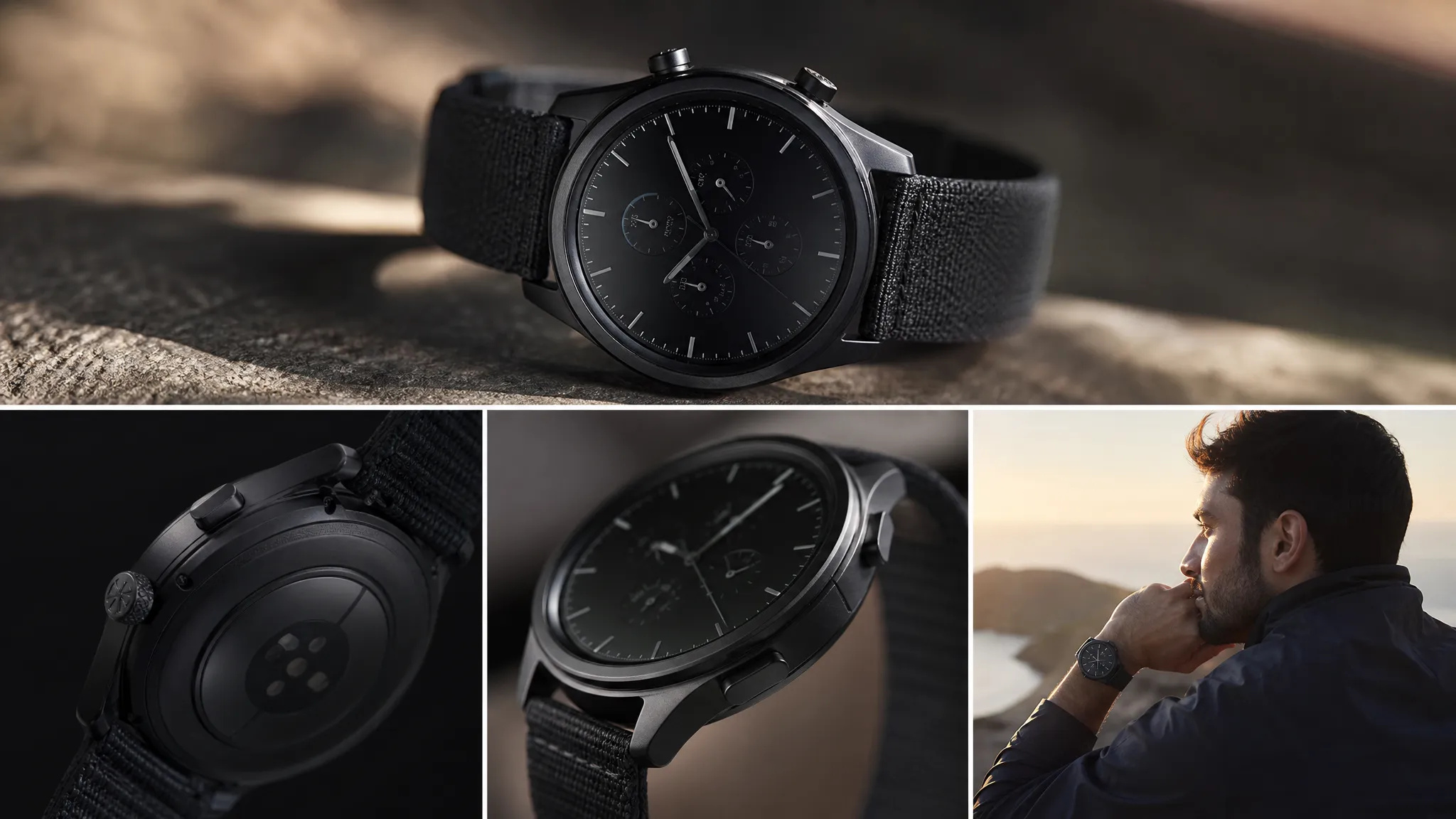
Pin a product reference and tell Kling to cut between hero, detail, and lifestyle shots in one prompt. The product stays identical across all cuts.
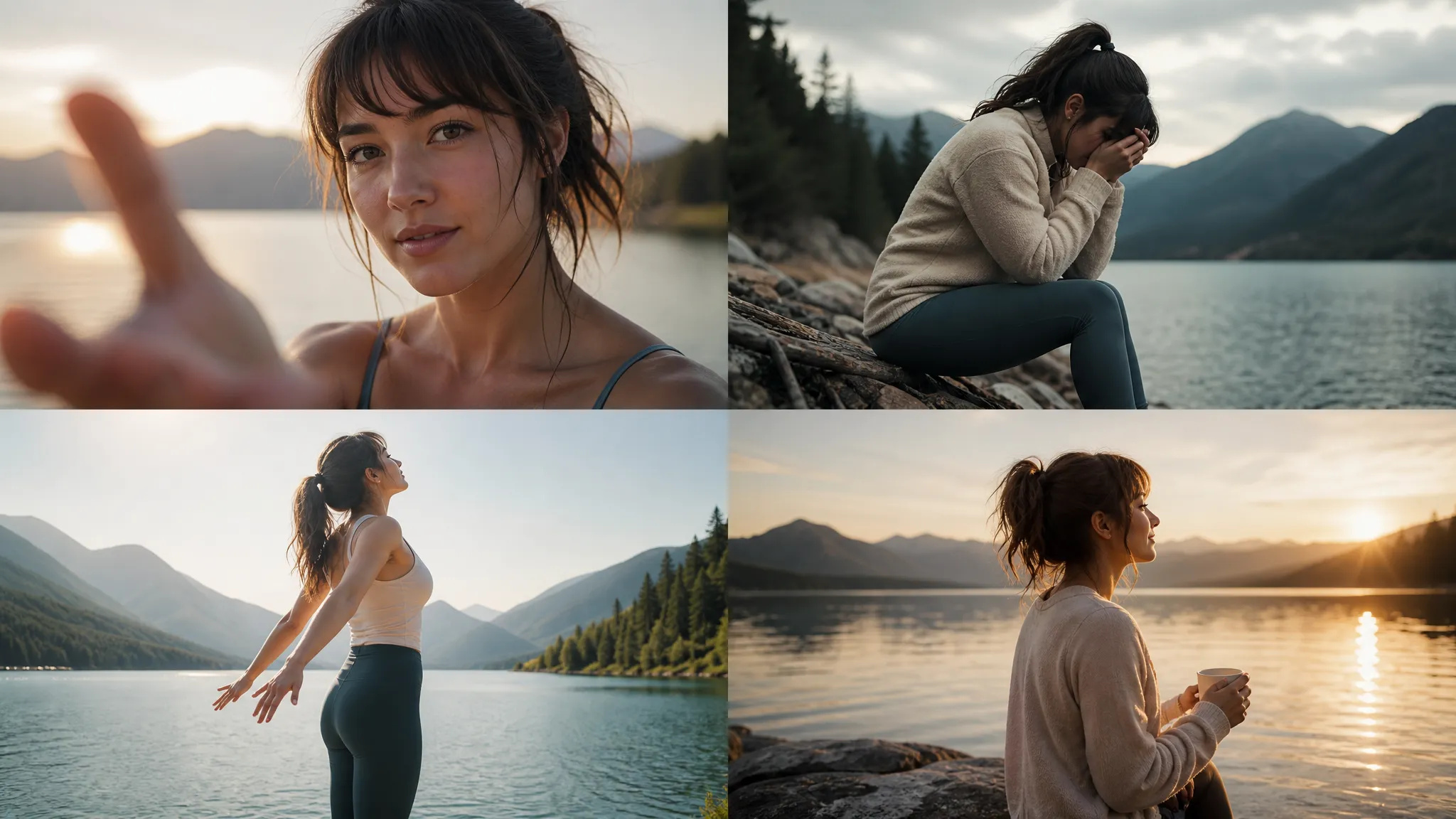
Multi-shot storyboarding hits TikTok and Reels conventions natively — hook shot, problem shot, solution shot, CTA — without a separate edit pass.
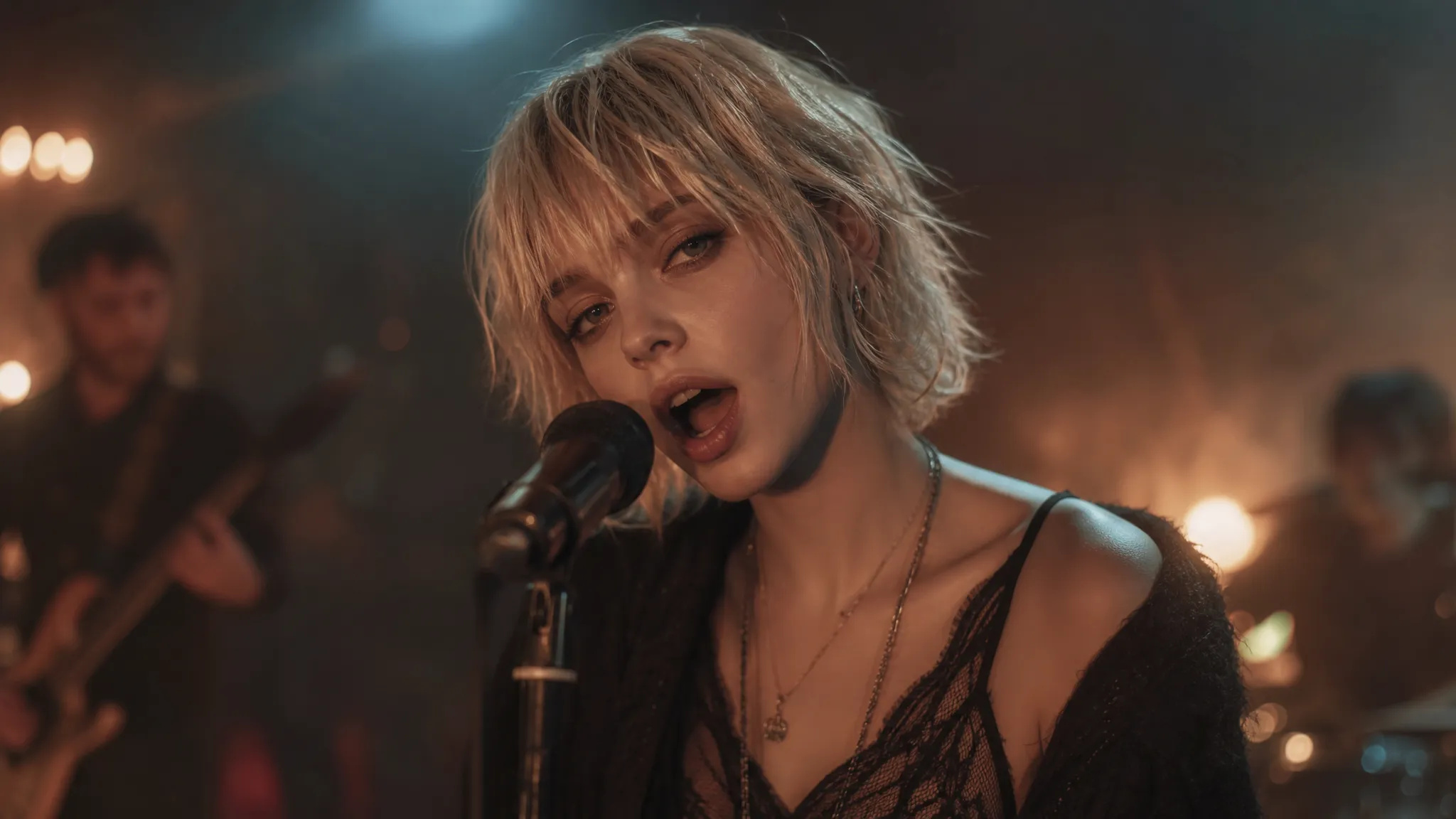
Five-language lip-sync makes Kling the go-to for vocal-driven music video sections — sync the character's mouth to a vocal track that's already mixed.
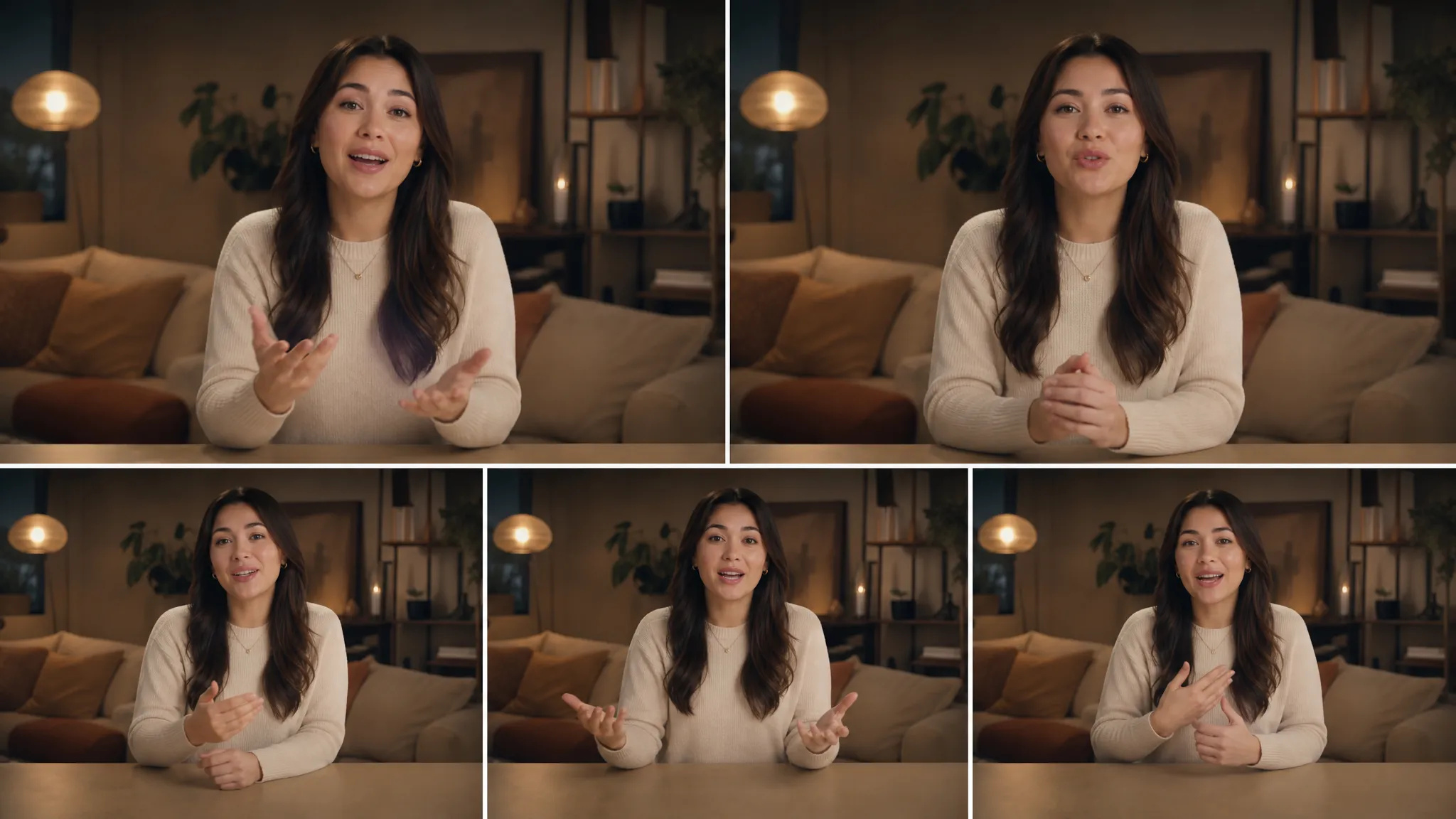
Ship the same campaign in English, Mandarin, Japanese, Spanish, and Korean from one storyboard — lip-sync re-renders per language without re-prompting the visuals.
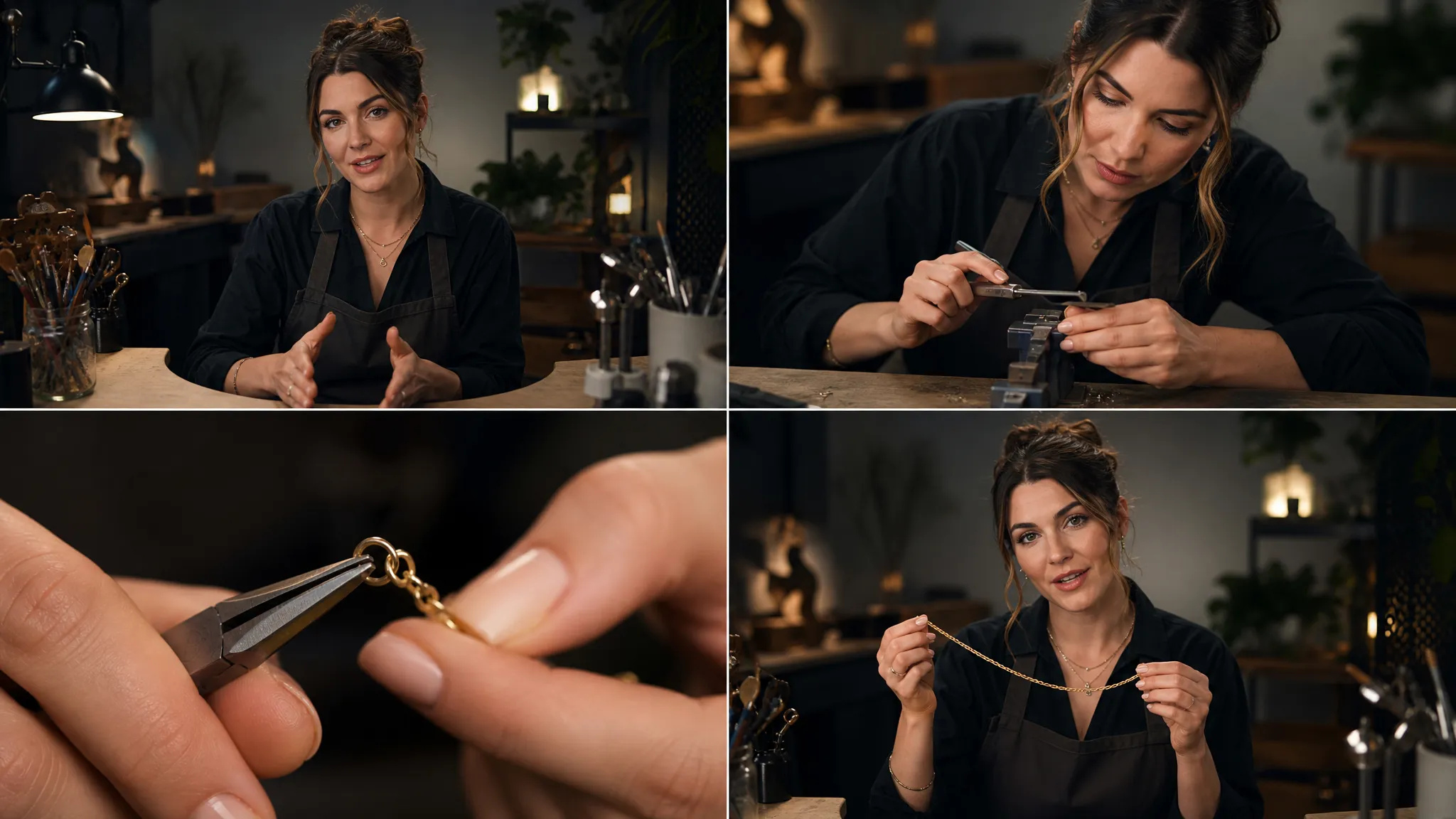
Chain demo shots with clean cuts and a single voiceover thread. Character (the presenter) stays consistent across every cut.
Pick the right video model for the shot, not the brand. Your credits work everywhere on ZOOOP.
Open Kling V3 from this page or pick it in the Video Generator.
Write the storyboard — number your shots, describe each beat. Up to 6 shots per prompt.
Pick tier (Standard 720p / Pro 1080p), duration, and aspect ratio.
Generate; native audio + lip-sync ship alongside the visuals.
Kling V3 is the model that solved the cut. In every other current video model, your output is one continuous take — the camera might pan, the lighting might shift, but there is no hard scene transition. To make a multi-shot sequence, you generate the shots one at a time, hope the character stays consistent, then take them into a non-linear editor and assemble. Kling V3 does that step inside a single generation. Write a numbered storyboard with up to six shots — "shot 1: medium wide of the protagonist entering the room; shot 2: insert on her hands picking up the letter; shot 3: close-up reaction" — and the model returns a continuous video with clean cuts at the shot boundaries, the same character in all three shots, the same room geometry, the same lighting state.
This sounds incremental and it isn't. The hardest part of using AI video for actual filmmaking has always been continuity across cuts. Kling V3 collapses the assembly step into the generation step. For social ads that follow the "hook → problem → solution → CTA" beat structure, for product launches that need hero / detail / lifestyle cuts, for narrative shorts that need to actually tell a story — this is the difference between AI video as a curiosity and AI video as a production tool.
The second flagship-tier capability is native multilingual lip-sync. Five-plus languages and dialects are supported directly in the model — generate a clip with the protagonist speaking Mandarin, then re-render the same visuals with the same character speaking Spanish, without re-prompting the visuals. For brands that ship the same campaign across regions, this is hours of dub-work per spot saved.
Quality-wise: the Standard tier renders 720p and the Pro tier renders true 1080p with richer detail and sharper motion. Native audio (dialogue + ambient + music) comes out synchronized in one pass. The architecture is a unified multimodal framework — video, audio, and image generation in one model — which is what makes the multi-shot continuity work in the first place.
Where it's weaker: on pure single-take cinematic fidelity Veo 3.1 still has the edge in raw pixel cleanliness at 1080p+. On multi-modal reference inputs (passing motion-reference video, audio reference, or 9 reference images), Seedance 2.0 is stronger. For anime and stylized art directions, Hailuo 2.3 has better mid-tier support. Kling V3's sweet spot is realistic and stylized live-action where the cut matters.
A reasonable mental model: Kling V3 is the default whenever the deliverable has more than one shot in it. For single-shot beauty, Veo 3.1. For reference-heavy shots, Seedance 2.0.
Standard is faster at 720p — good for drafts and shorter runs. Pro renders true 1080p with richer detail, sharper motion, and stronger native audio. Use Standard while iterating on the prompt, Pro for the final render. Your credits work on both.
You write multiple numbered shots in a single prompt. Kling V3 generates them as a continuous sequence with hard scene cuts at the shot boundaries. Element references (a character, a product, a location) hold across all shots. This skips the manual edit pass that other video models force on you.
Yes — natively. Dialogue, ambient sound, and music score come out in the same pass, lip-synced to the visuals. Lip-sync covers 5+ languages and dialects, with new languages added per release. No separate TTS / Foley needed.
Standard durations are 3 to 15 seconds in a single generation. With multi-shot storyboarding you can pack 6 distinct beats into that window. For longer narratives, generate multiple storyboards and use the canvas to stitch.
Kling V3 wins on explicit multi-shot storyboarding — write 6 numbered shots and get clean cuts. Seedance 2.0 leads on multi-modal reference inputs and beat-aware audio sync. Veo 3.1 wins on raw resolution (native 1080p + 4K upscale) and cinematic style fidelity. Your credits work across all three.






















Tekst til billedeFørste og sidste rammevideoTekst og henvisning til video
Første og sidste rammevideoTekst og henvisning til video
Første og sidste rammevideoTekst og henvisning til video
Første og sidste rammevideoTekst og henvisning til video
Første og sidste rammevideoTekst og henvisning til video
Første og sidste rammevideoTekst og henvisning til video
Kling V3
Prompt*
Aspektforhold*
Varighed*