
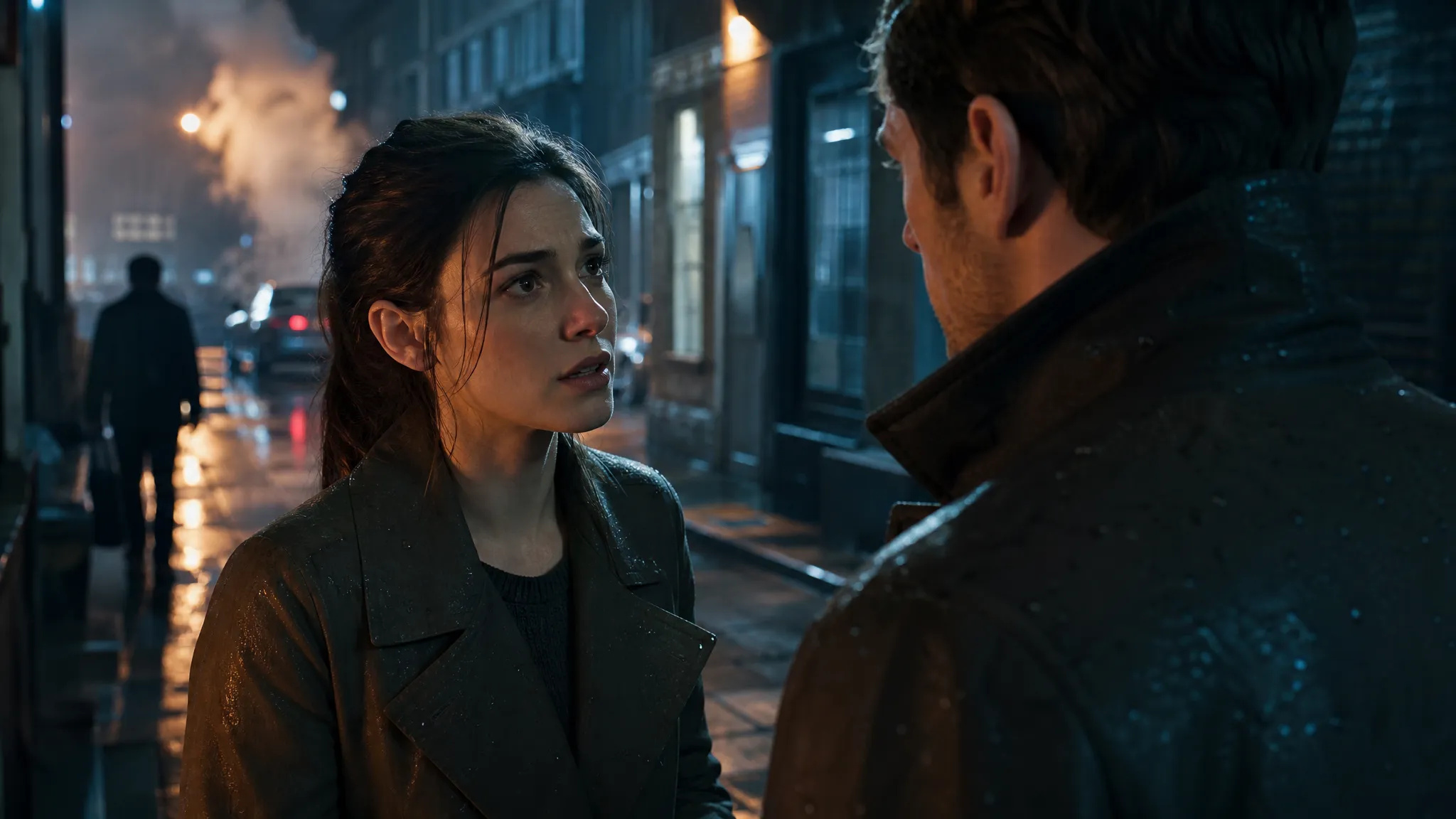
Talking and action scenes
Native synchronized audio means dialogue beats, footsteps, and ambience land with the motion — complete scenes instead of silent clips needing a sound pass.

Kling's new generation — text-to-video with native synchronized audio, up to 15 seconds, Standard and Pro tiers.
Trả một lần cho các khoản tín dụng - sử dụng chúng trên mọi mô hình trên ZOOOP. · Nạp tiền khi bạn cần, không đốt hàng tháng.
Powered by Kling AI's API on ZOOOP
Audio is generated together with the video, on by default — ambience, motion sound, and scene audio land in sync with the action instead of being layered in later.
Single generations run from 3 to 15 seconds — long enough for a complete beat, a full action, or a self-contained shot without stitching clips.
Standard for fast, cost-efficient drafts; Pro for the higher-fidelity final. Same prompt, pick the tier that matches the stakes of the shot.
Add up to 10 reference images to steer look and style — cite them in the prompt to shape the scene's visual register while the motion stays prompt-driven.
Native synchronized audio means dialogue beats, footsteps, and ambience land with the motion — complete scenes instead of silent clips needing a sound pass.
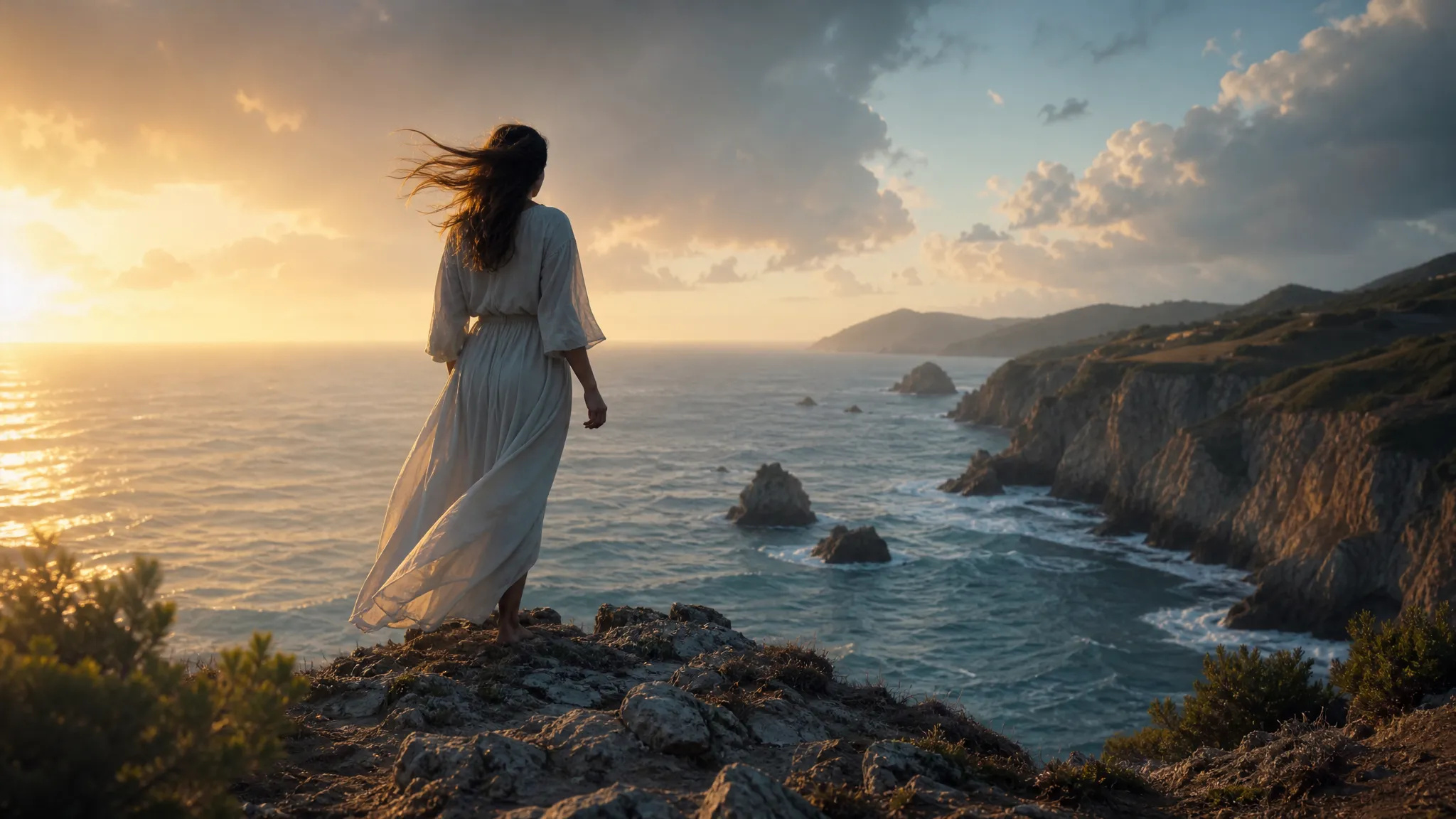
Up to 15 seconds captures a full action or narrative beat in one generation — no stitching, no continuity seams between clips.
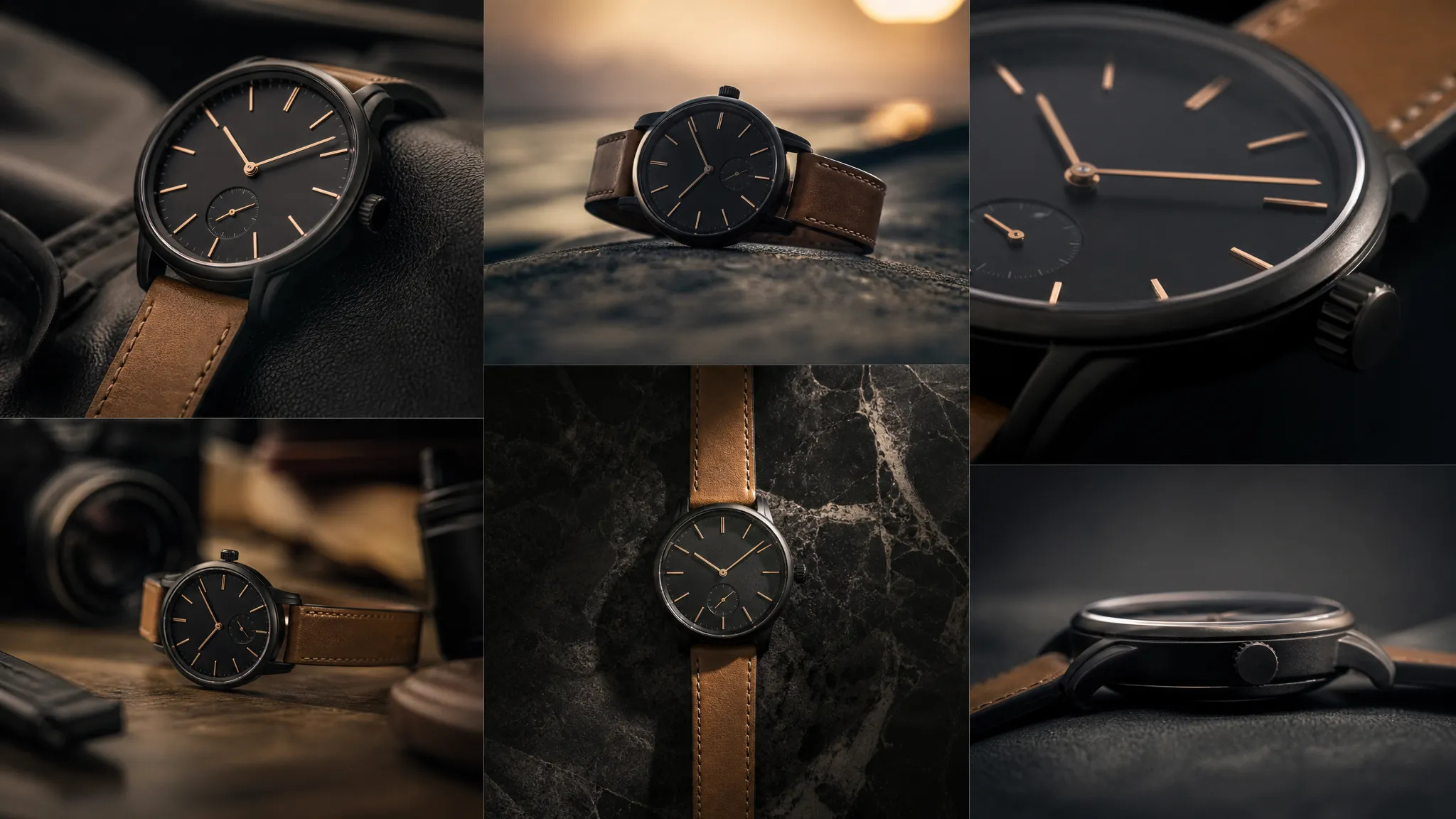
Generate product shots with synced audio straight from a prompt — feed reference images of the product to keep its look consistent across takes.
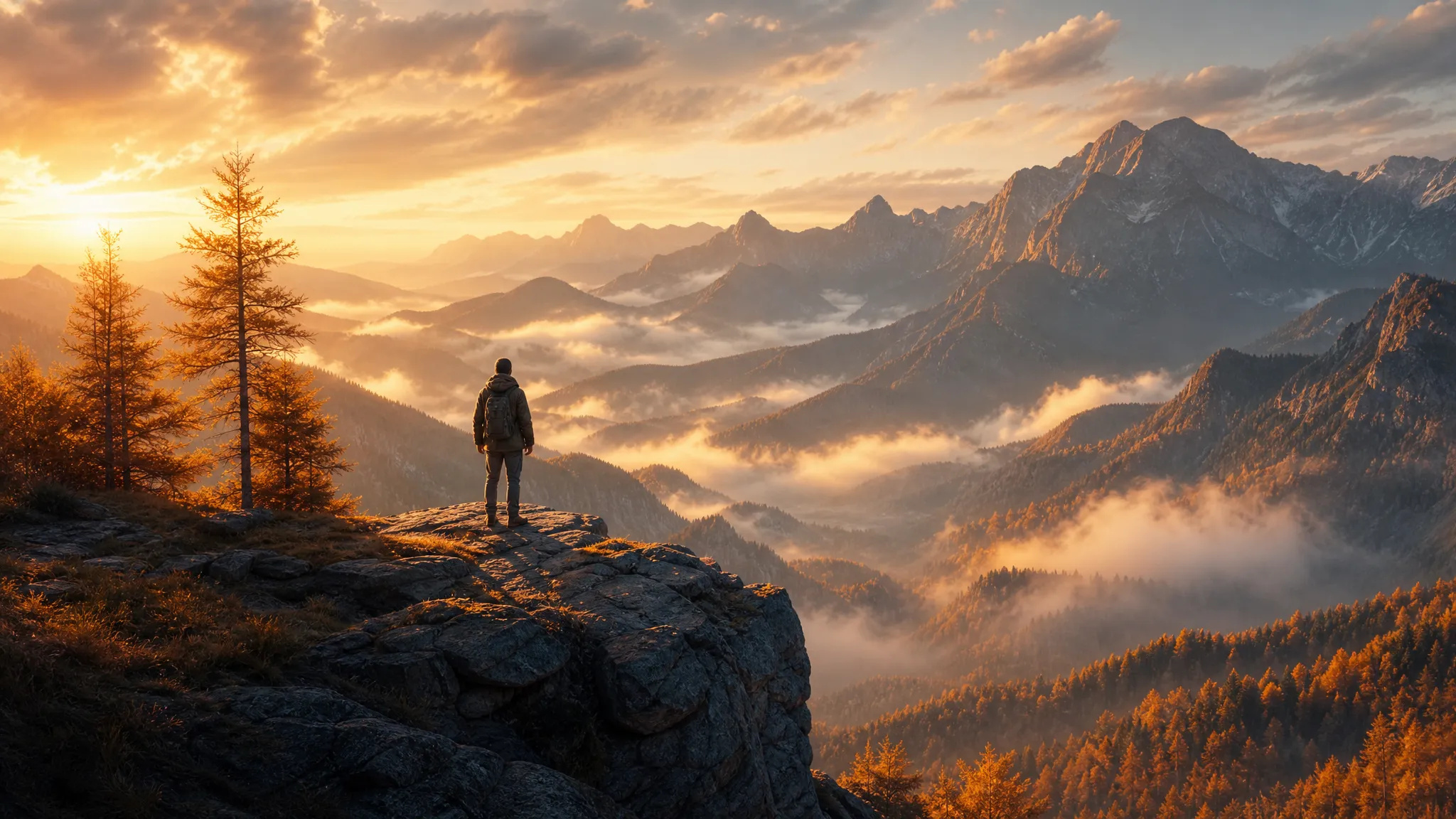
Feed up to 10 reference images to fix the visual look — set a palette and art direction, then let the prompt drive the motion.
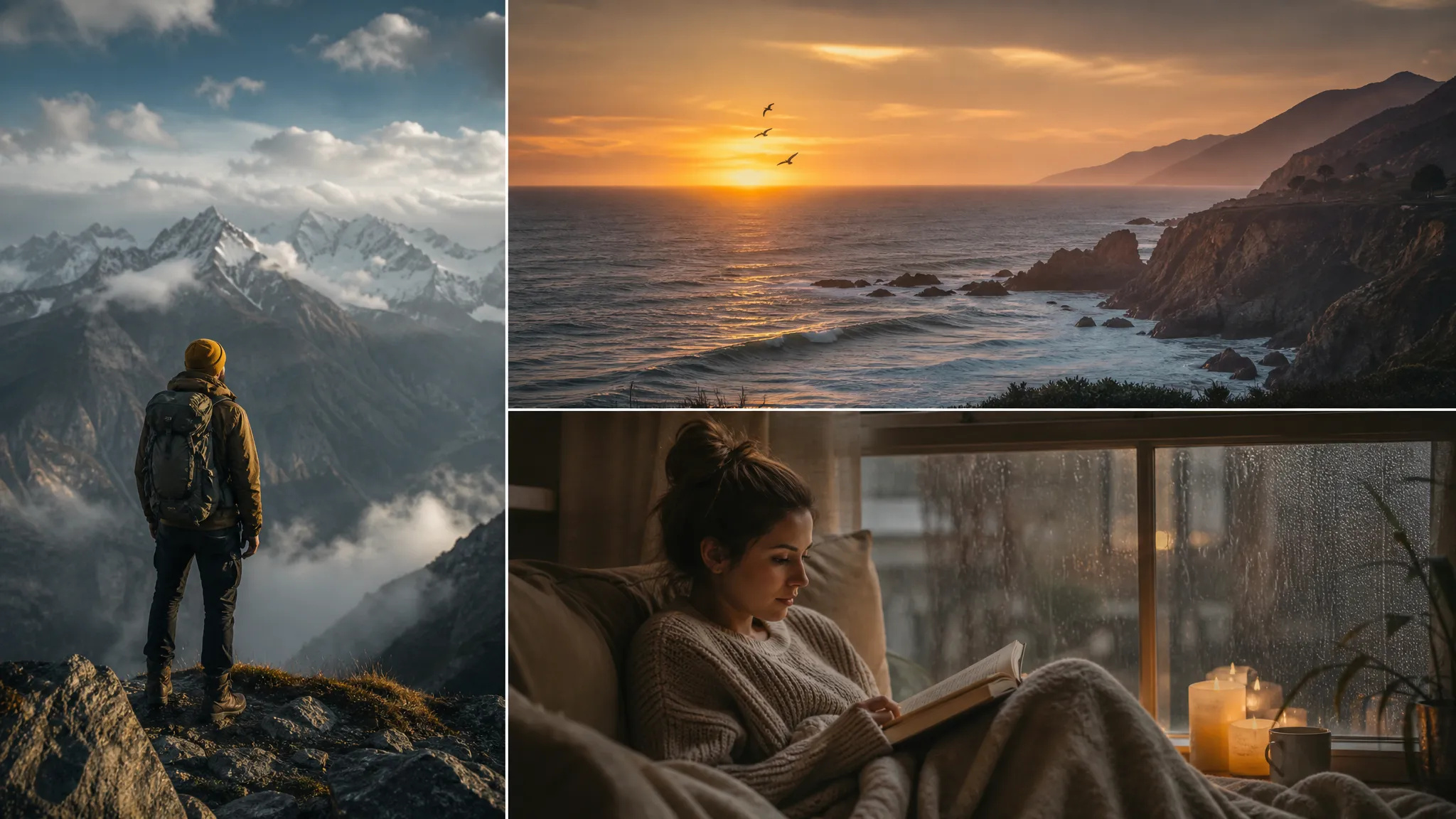
9:16 and 1:1 output with built-in audio produces feed- and story-ready clips straight from a prompt.

Strong motion coherence over a 15-second window suits establishing shots, reveals, and single-take story moments.
Pick the right video model. Your credits work everywhere on ZOOOP.
Open Kling O3 from this page or pick it in the Video Generator.
Write the prompt. Add up to 10 reference images to guide the look.
Pick aspect ratio, duration (3–15s), and Standard or Pro; keep audio on for synced sound.
Generate, then download or send the clip to your canvas.
Kling O3 is the model to reach for when a clip needs to come out of the box with sound. It's Kling's newer generation, and its defining move is native synchronized audio: the soundtrack is generated together with the video and turned on by default, so footsteps, ambience, and scene audio land in step with the motion instead of being layered in during a separate pass. For talking scenes, action beats, and any shot where silence would read as unfinished, this collapses two steps into one.
The second strength is shot length. A single Kling O3 generation runs up to 15 seconds, well past the 5-second window most text-to-video models default to. That's enough room for a complete action, a narrative beat, or a self-contained establishing shot — captured in one generation with no stitching and no continuity seams where two clips meet.
The model ships in Standard and Pro tiers off the same prompt and inputs. Standard is the fast, cost-efficient pass for blocking composition and timing; Pro is the higher-fidelity render for the final. The workflow is to lock a shot cheaply on Standard, then re-run the keeper on Pro. Up to 10 reference images steer the visual look — set art direction and palette while the prompt keeps driving the motion.
Where it's weaker: for the absolute top tier on motion physics and realism, Seedance V2.0 still leads, and cinematic photoreal with audio is Veo 3.1's domain. For the cheapest, fastest drafts, Pika V2.2 or Pixverse V6 cost less per second. Kling O3's sweet spot is synced-audio shots and longer single takes from the Kling line.
A reasonable mental model: default to Kling O3 when you want sound baked in and a shot longer than five seconds in one go. For peak motion realism, switch to Seedance V2.0; for cinematic photoreal, Veo 3.1; for throwaway drafts, Pika V2.2.
Yes — audio is generated together with the video and is on by default. Scene sound, motion audio, and ambience land synchronized with the action rather than being added in a later pass.
From 3 to 15 seconds per generation, with 5 seconds as the default — long enough for a complete shot or narrative beat without stitching.
Standard is the faster, cost-efficient tier for drafts and blocking; Pro is the higher-fidelity tier and renders at a higher resolution, for finals. Same prompt and inputs — pick the tier by how much the shot matters.
Yes — up to 10 reference images to guide look and style. They shape the visual register; the motion stays driven by your prompt.
Kling O3 leads on native synchronized audio and longer single shots (up to 15s). Seedance 2.0 leads on raw motion physics and multi-reference inputs. Veo 3.1 leads on cinematic photoreal with audio. Pick O3 when you want synced audio and a longer single take.





















Văn bản thành hình ảnhVideo khung hình đầu tiên và cuối cùngVăn bản & Tham chiếu đến VideoChỉnh sửa video
Video khung hình đầu tiên và cuối cùngVăn bản & Tham chiếu đến VideoChỉnh sửa video
Video khung hình đầu tiên và cuối cùngVăn bản & Tham chiếu đến VideoChỉnh sửa video
Video khung hình đầu tiên và cuối cùngVăn bản & Tham chiếu đến Video
Video khung hình đầu tiên và cuối cùngVăn bản & Tham chiếu đến Video
Video khung hình đầu tiên và cuối cùngVăn bản & Tham chiếu đến Video
Kling O3
Prompt*
Hình ảnh
Tỷ lệ khung hình*
Thời lượng*