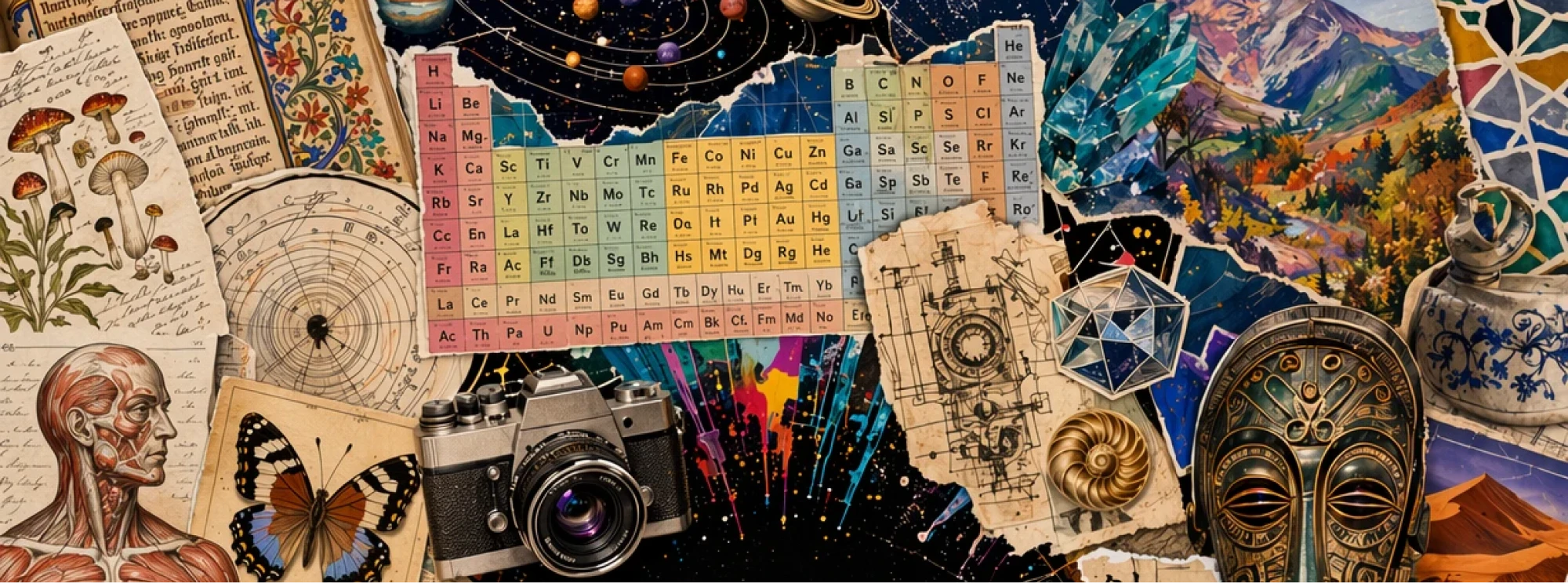
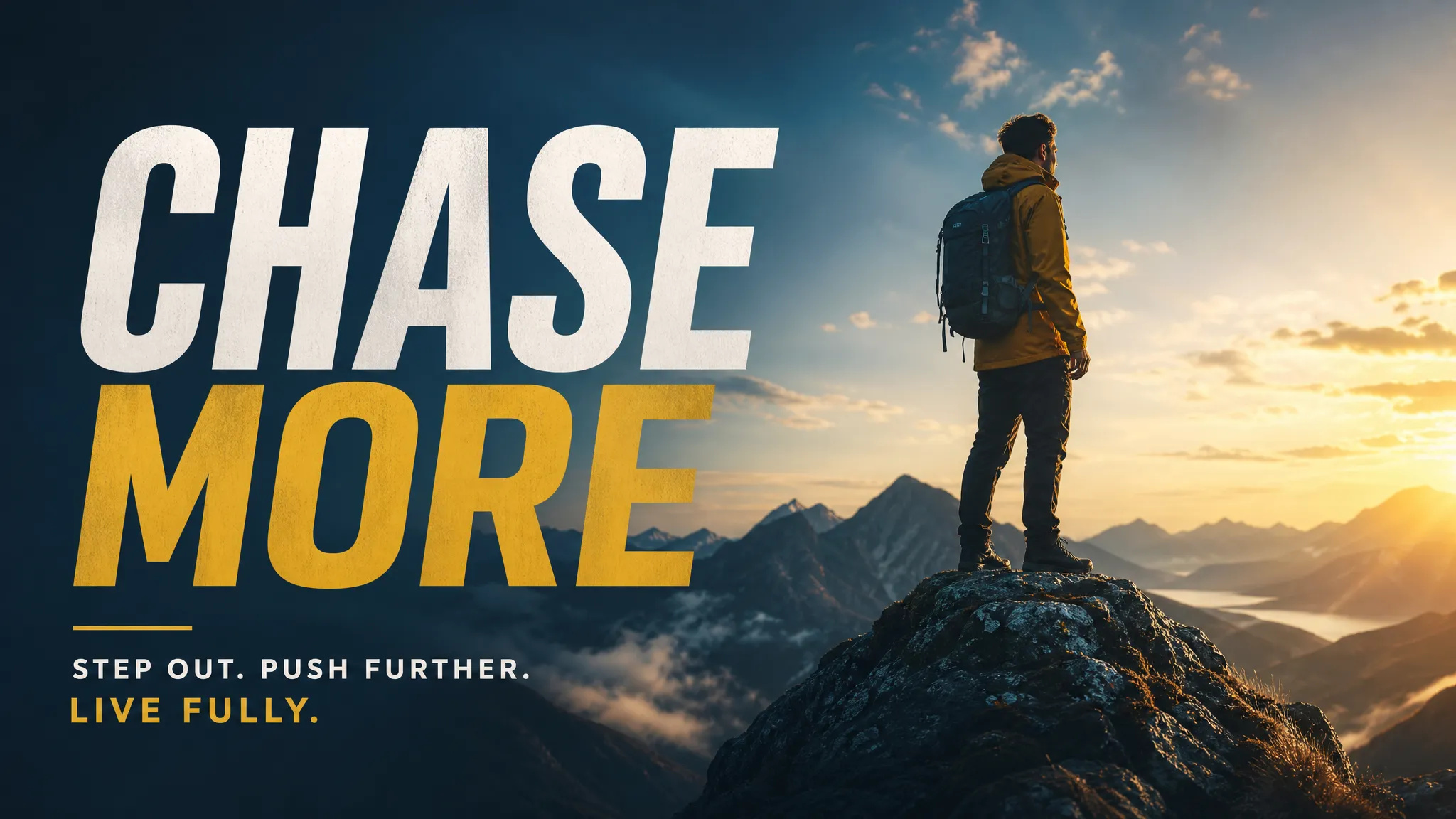
Cartazes de marketing
Títulos na imagem que renderizam corretamente à primeira vez — kerning, peso, e até a forma como a luz incide nas letras.

O modelo de imagem fotorrealista da OpenAI com tipografia nativa, disponível no ZOOOP.
Pague uma vez por créditos e use-os em todos os modelos em ZOOOP. · Recarregue quando precisar, sem queima mensal.
Powered by OpenAI's API on ZOOOP
Escreva prompts diretamente na sua cena — o GPT Image 2 renderiza texto legível dentro de cartazes, mockups de produto, infográficos e sinalização sem pós-edição.
A fundamentação em conhecimento mundial mantém proporções, iluminação e materiais de superfície fisicamente plausíveis. Forte em retratos, produtos e cenas arquitetônicas.
Instruções complexas de múltiplos elementos, relações espaciais precisas, texto exato na imagem — a controlabilidade do GPT Image 2 supera em muito os modelos de difusão comuns. Desenha o que descreves em vez de te fazer repetir à sorte.
Escolha qualidade Low / Medium / High sob demanda. Low ou Medium cobre a vasta maioria das cenas para um valor imbatível.
Títulos na imagem que renderizam corretamente à primeira vez — kerning, peso, e até a forma como a luz incide nas letras.
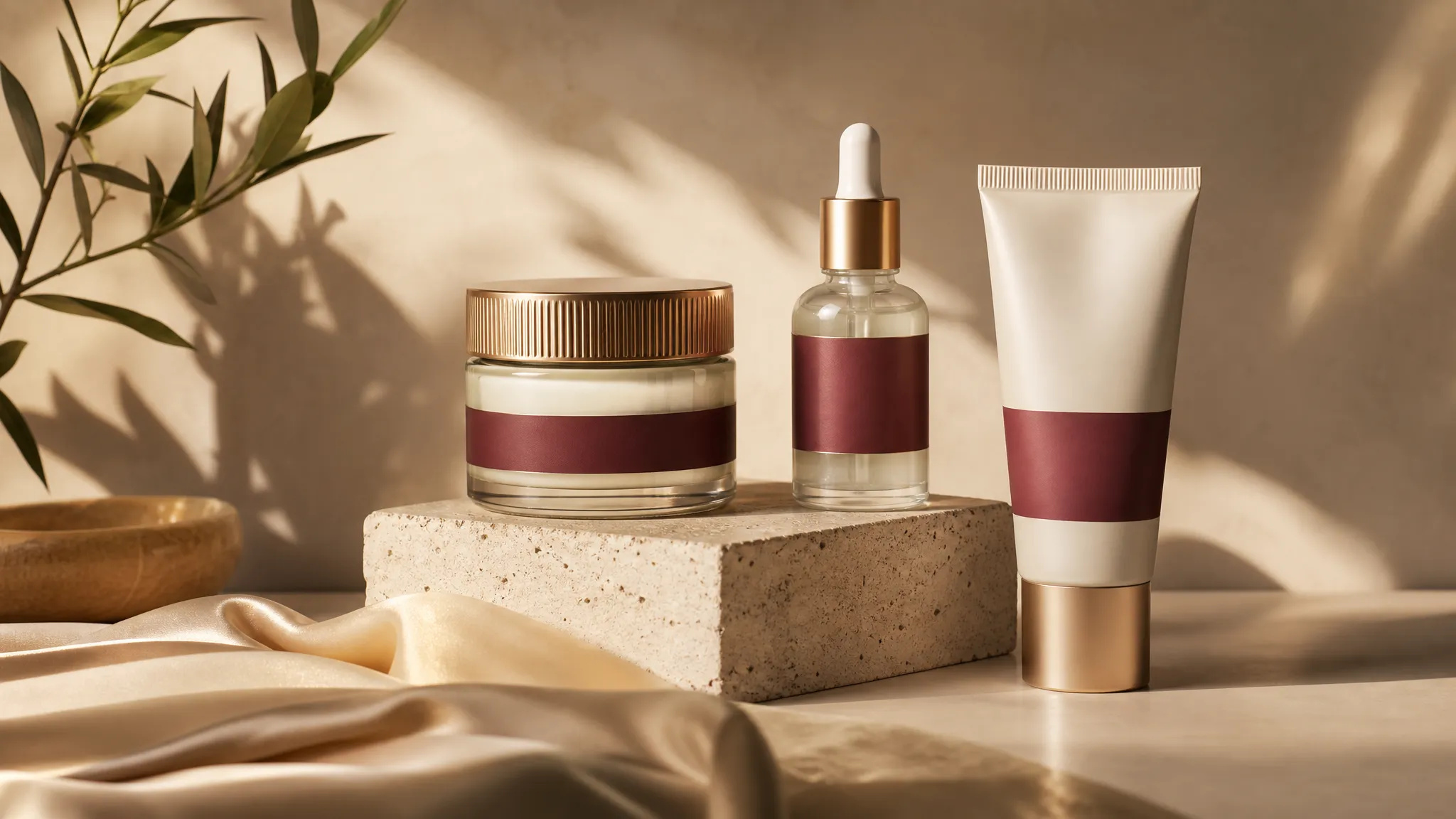
Conceitos de embalagem fotorrealistas com cores de marca, materiais e rótulos exatamente onde especificas.
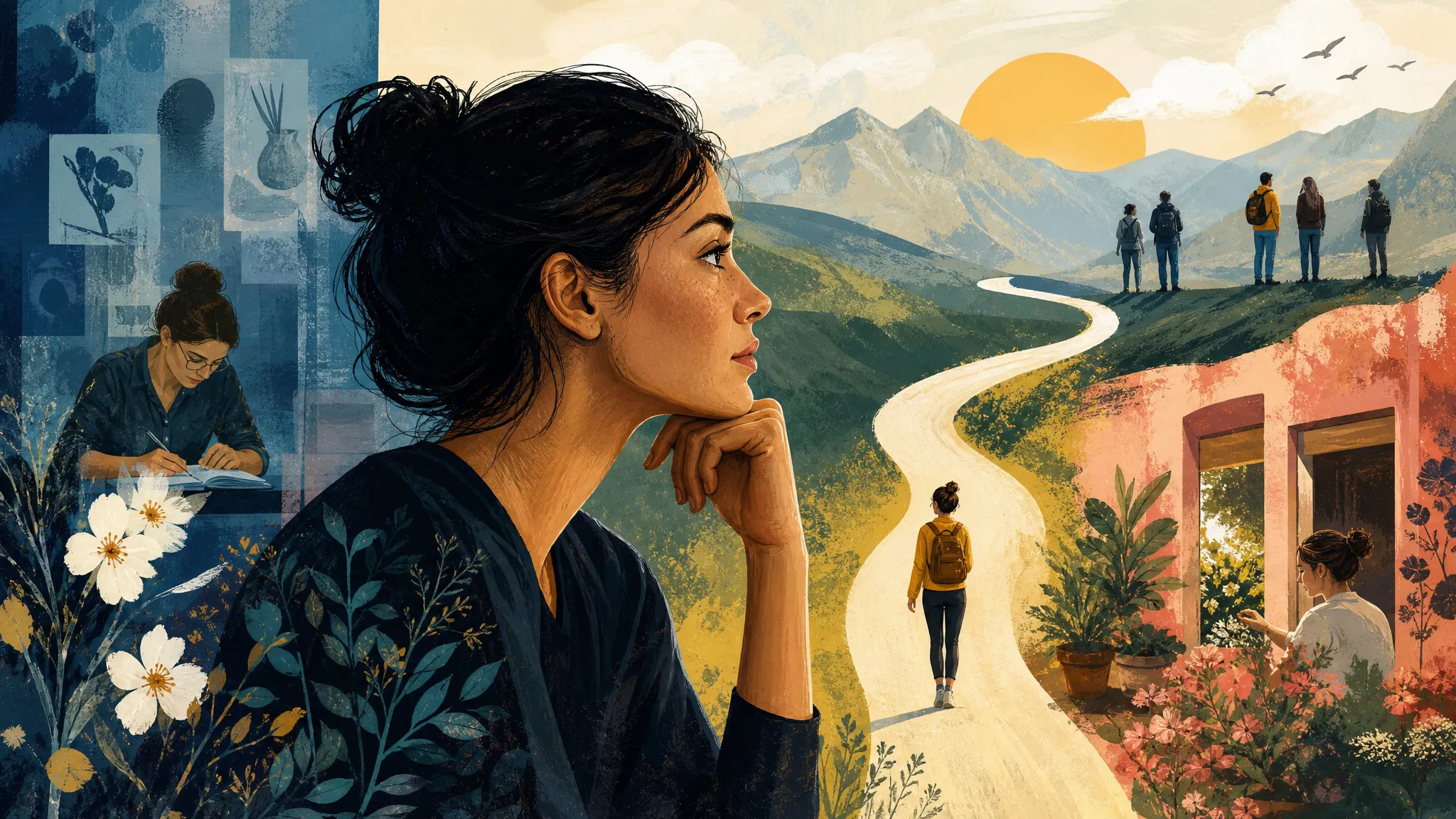
Cenas de qualidade de revista com legendas legíveis, sujeitos fotorrealistas e composição fiel.
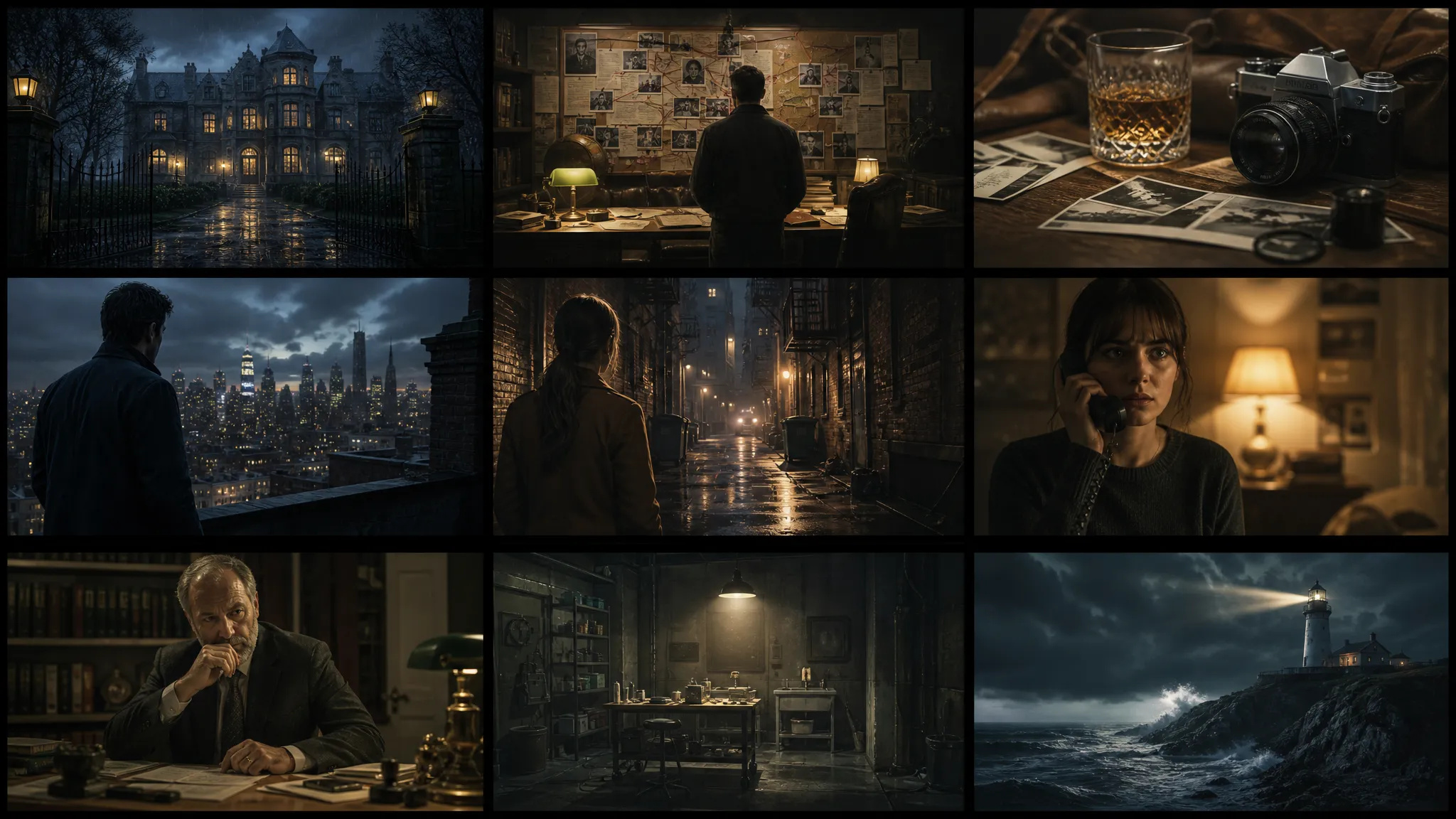
Detalhes de cenografia suficientemente fortes para informar uma equipe — adereços, iluminação, guarda-roupa bloqueados num prompt.
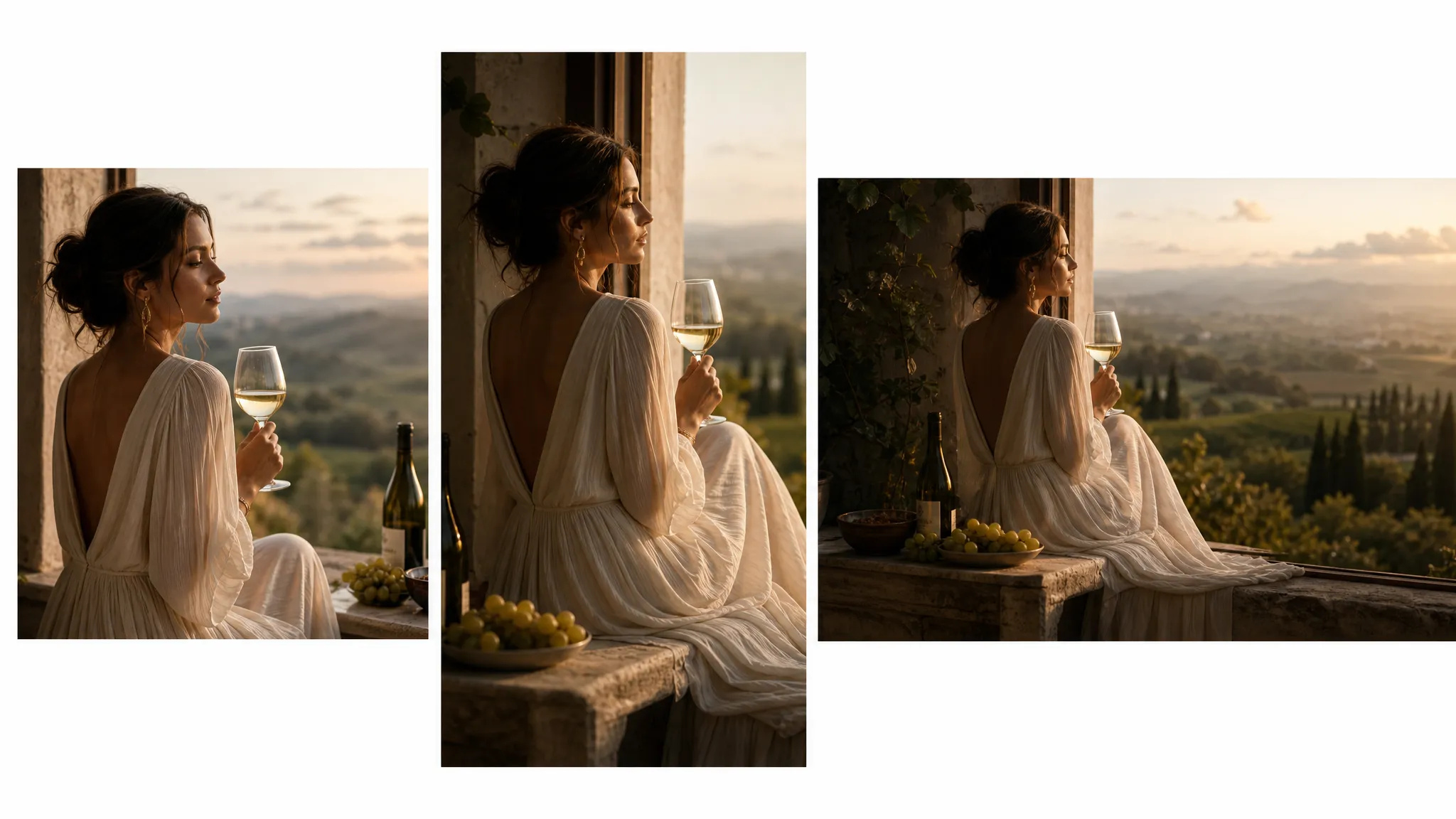
Mesmo conceito renderizado em quadrado, retrato e paisagem com sujeito e tipografia consistentes.
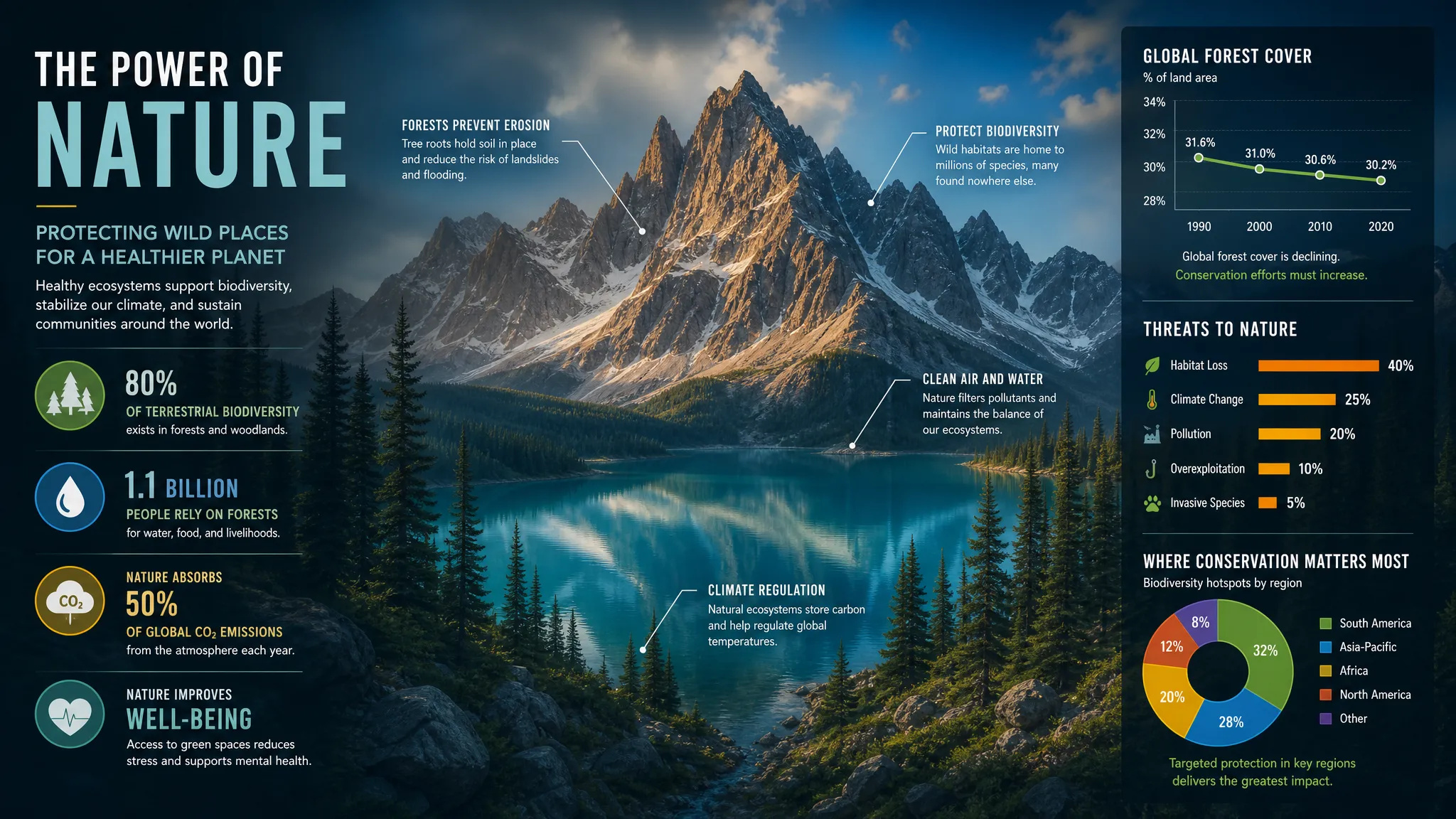
Gráficos, anotações e etiquetas renderizadas como texto nítido dentro da imagem — sem passagem de edição necessária.
Cada modelo de imagem IA tem um ponto forte. Use esta matriz quando o GPT Image 2 não é a escolha certa — seus créditos funcionam em todos no ZOOOP.
Abra o GPT Image 2 a partir desta página ou selecione-o no Gerador de Imagens.
Descreva a cena — sujeito, estilo, qualquer texto que deva aparecer na imagem.
Escolha a proporção de imagem e resolução, depois clique em Gerar.
Itere: selecione a saída, escreva o que mudar, e refine sem perder o original.
O GPT Image 2 é o raro modelo de imagem IA onde você pode digitar palavras no prompt e fazê-las aparecer corretamente na imagem. A maioria dos modelos baseados em difusão — Stable Diffusion, Flux, Imagen — tratam texto como textura visual e alucinam-no em formas distorcidas. O GPT Image 2 foi treinado com um objetivo explícito de renderização de texto e um tokenizer consciente do alfabeto, portanto um prompt como "cartaz de viagem vintage, as palavras 'Visite a Patagônia' no topo em negrito serif" retorna com essas palavras exatas intactas.
Isso por si só muda o fluxo de trabalho para qualquer pessoa que cria cartazes de marketing, embalagens de produto, infográficos ou painéis de storyboard que precisam de títulos na imagem. Antes do GPT Image 2, você gerava a imagem, depois abria uma ferramenta de design para sobrepor o texto. Agora o título é entregue na mesma renderização — incluindo kerning, peso e a forma como a luz incide nas letras.
A segunda coisa que faz bem é conhecimento mundial. Peça um Porsche 911 Carrera de 1985 e você obtém as linhas corretas da carroçaria, as rodas corretas, os espelhos retrovisores corretos. Peça um chef fazendo um amuse-bouche estilo Michelin e as pinças, os frascos de squeezar, a geometria do prato aparecem todos na relação correta. Isso porque o modelo subjacente foi treinado juntamente com compreensão linguística de classe GPT-4 — ele sabe o que os objetos são, não apenas como parecem numa foto.
A cobertura do GPT Image 2 é ampla o suficiente para que a maioria dos trabalhos seja entregue diretamente da primeira renderização — retratos fotorrealistas, produtos, arquitetura, cartazes e infográficos ricos em texto, qualquer coisa onde o sujeito precisa ser lido como real. Combinado com três níveis de qualidade, você combina qualidade com complexidade do prompt: cenas simples correm em Low, composições multi-elemento mais movimentadas sobem para Medium, e apenas os quadros mais exigentes e críticos em detalhe precisam de High. A vasta maioria do trabalho cai na banda Low / Médio — rápido e leve.
Tipografia nativa — a maioria dos modelos de imagem alucina texto em formas incompreensíveis, enquanto o GPT Image 2 renderiza as palavras exatas que escreves no prompt. Combinado com forte conhecimento mundial, é o modelo de imagem mais "use a saída tal como está" para trabalho de marketing e editorial.
Sim — foi treinado juntamente com compreensão linguística de classe GPT-4, portanto sabe o que os objetos realmente *são*. Peça um modelo de carro específico, um prato apresentado ou um equipamento e as peças aparecem na relação correta, não apenas uma forma vagamente correta.
Sim. Selecione qualquer saída e escreva um novo prompt descrevendo a mudança — a passagem de edição mantém seu sujeito e composição enquanto aplica as novas instruções, portanto mantém as partes com as quais já está satisfeito.
Não. O ZOOOP é uma plataforma de terceiros que acessa o GPT Image 2 através da API da OpenAI. Não é afiliada à OpenAI. Não precisa de uma conta OpenAI separada ou chave de API — apenas uma conta ZOOOP.
Low já cobre cerca de 80% das cenas diárias — o mais rápido e leve. Medium lida com quadros mais movimentados e complexos e cobre cerca de 95% das necessidades. High raramente é necessário no dia a dia — recorra apenas quando a cena é extremamente complexa e crítica em detalhe. Comece em Low e suba apenas se necessário.

















Texto para imagem
Texto para imagem
Texto para imagem
Texto para imagem
Texto para imagem
Texto para imagem
GPT Image 2
Prompt*
Image Urls
Proporção de Aspecto*
Resolução*
Quality*