Cinematic scenes
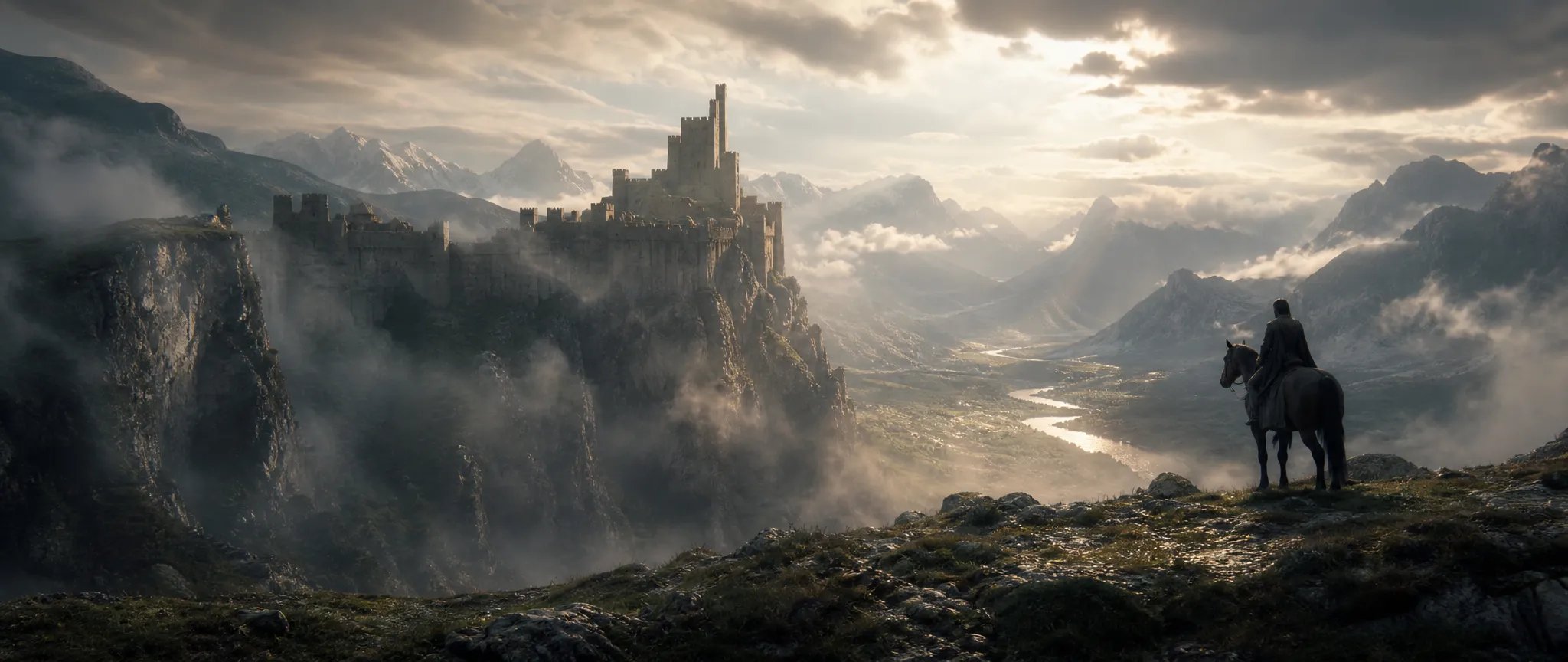
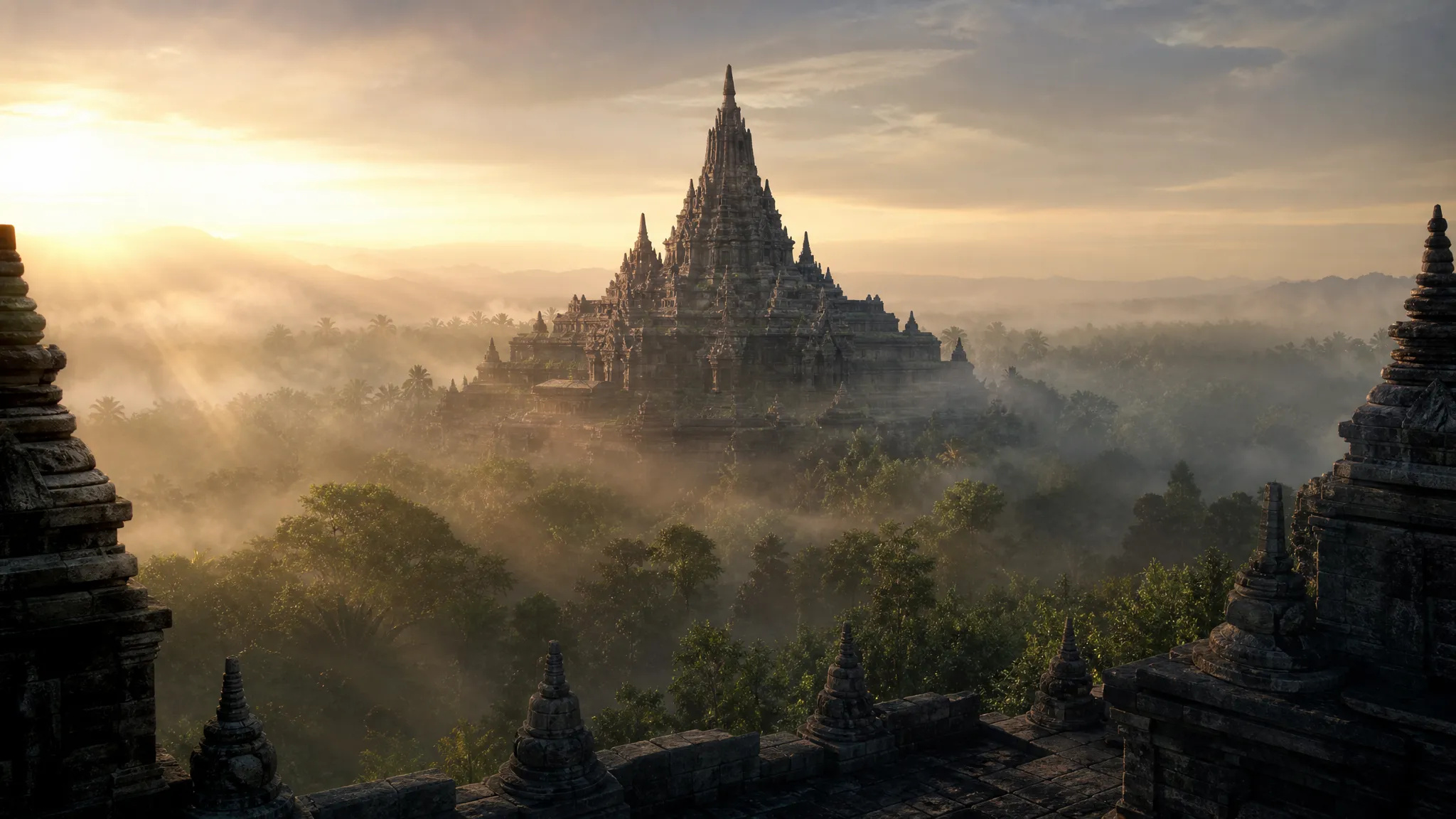
Photoreal lighting and motion make Veo 3 a fit for film-grade establishing shots and key moments.

Google's Veo 3 — cinematic text-to-video with native audio, up to 1080p.
Betale en gang for kreditter - bruke dem på alle modeller på ZOOOP. · Topp opp når du trenger, ingen månedlig brenn.
Powered by Google's API on ZOOOP
Veo 3 produces some of the most photoreal, cinematic motion available — natural lighting, physics, and coherent scenes.
Audio is generated with the video and on by default — dialogue, ambience, and effects synced to the scene.
Output at 720p or 1080p, 16:9 or 9:16.
Pick the clip length for a tight beat or a fuller shot.
Photoreal lighting and motion make Veo 3 a fit for film-grade establishing shots and key moments.
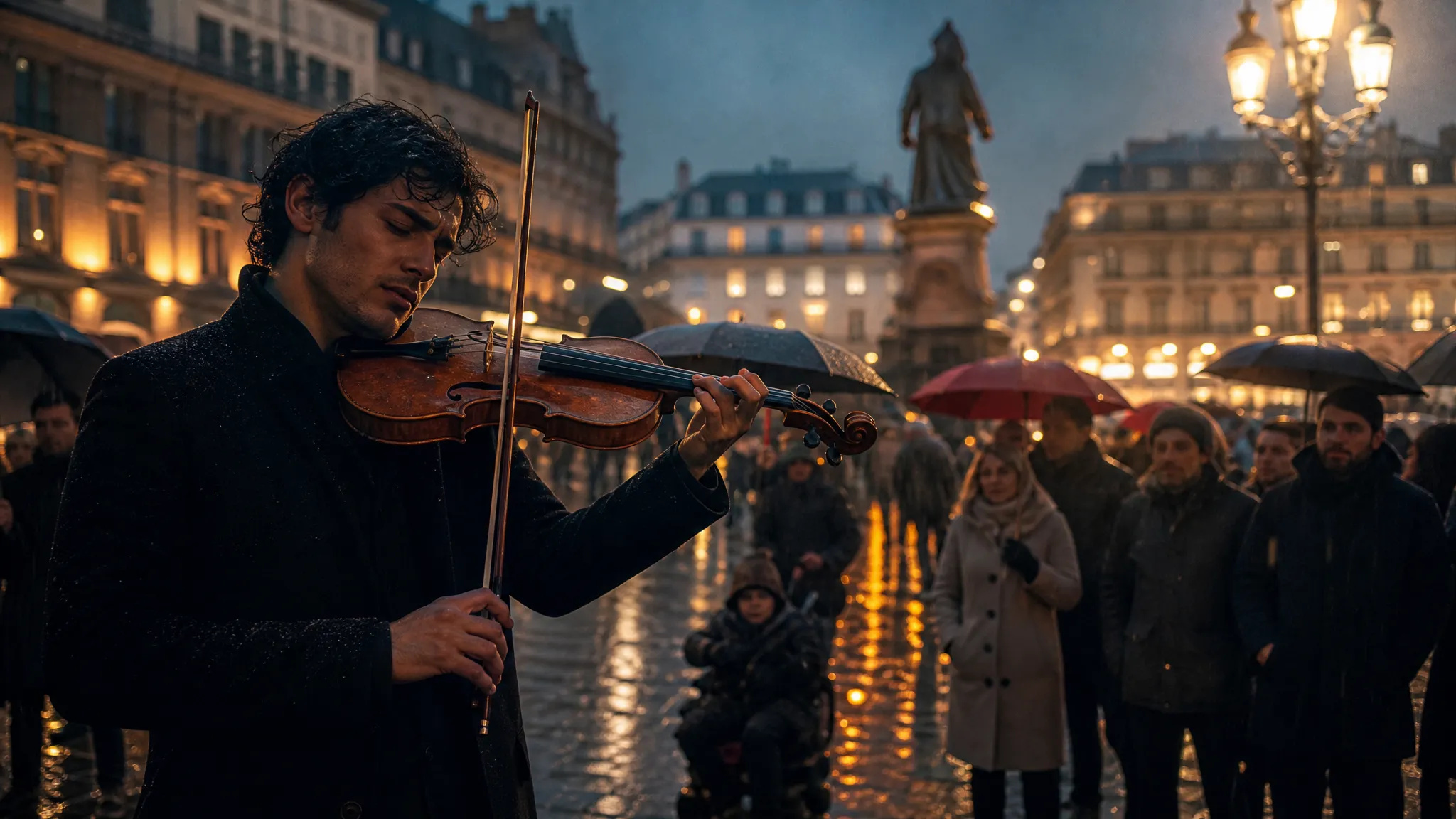
Native audio means dialogue and ambience land with the scene — complete moments, not silent clips.

High-fidelity, sound-on video for premium ad concepts and brand films.
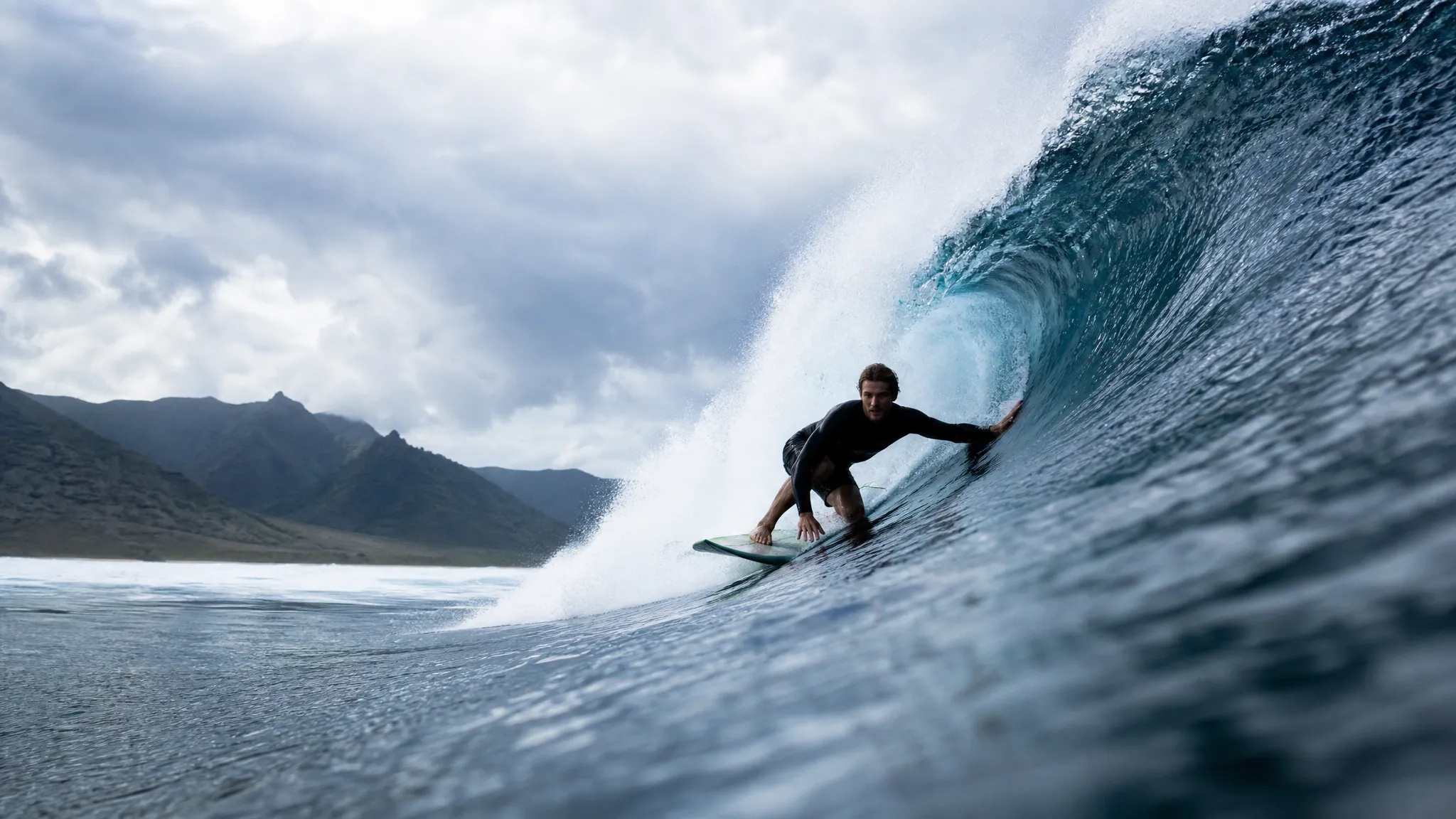
Believable physics and camera movement for shots that need to read as real.
Pick the right video model. Your credits work everywhere on ZOOOP.
Open Veo 3 from this page or pick it in the Video Generator.
Write the prompt for the scene, motion, and any dialogue or sound.
Pick aspect ratio, resolution (up to 1080p), and duration (4/6/8s); keep audio on.
Generate, then download or send the clip to your canvas.
Veo 3 is Google's cinematic text-to-video model — one of the most photoreal options available, with natural lighting, believable physics, and coherent scene composition. Its defining capability beyond visuals is native audio: dialogue, ambience, and effects are generated with the video and on by default, so a generation arrives as a complete moment rather than a silent clip needing a sound pass. For film-grade establishing shots, brand films, and hero moments, that combination is the draw.
Output runs at 720p or 1080p, 16:9 or 9:16, in clips of 4, 6, or 8 seconds. The cinematic quality comes at a higher per-second cost, so the usual workflow is to reserve Veo 3 for the shots where realism and sound genuinely matter, and draft elsewhere.
Where it sits: Veo 3.1 is the newer generation; Veo 3.1 Fast is a cheaper Veo option that also offers 4K. For raw motion physics, Seedance V2.0 is a strong alternative; for longer synced-audio takes, Kling O3; for cheap drafts, Pika V2.2. Veo 3's sweet spot is cinematic, sound-on hero shots.
A reasonable mental model: reach for Veo 3 when a shot needs cinematic realism with audio and the cost is justified, and step to Veo 3.1 for the newer generation or Veo 3.1 Fast for a lower-cost Veo.
Yes — native audio is generated with the video and on by default, including dialogue, ambience, and effects synced to the scene.
4, 6, or 8 seconds, output at 720p or 1080p.
Veo 3.1 is the newer generation. Veo 3 is the prior cinematic model with native audio. Both target premium realism; step up to Veo 3.1 for the latest, or use Veo 3.1 Fast for a cheaper Veo option.
It targets top-tier cinematic realism with native audio, which is reflected in a higher per-second cost. Reserve it for hero shots where the quality justifies the spend.























First & Sist Frame VideoTekst & Reference til Video
First & Sist Frame VideoTekst & Reference til Video
First & Sist Frame VideoTekst & Reference til Video
First & Sist Frame VideoTekst & Reference til Video
First & Sist Frame VideoTekst & Reference til Video
First & Sist Frame VideoTekst & Reference til Video
Veo 3
Prompt*
Spektforhold*
Rezolusjon*
Gtid*