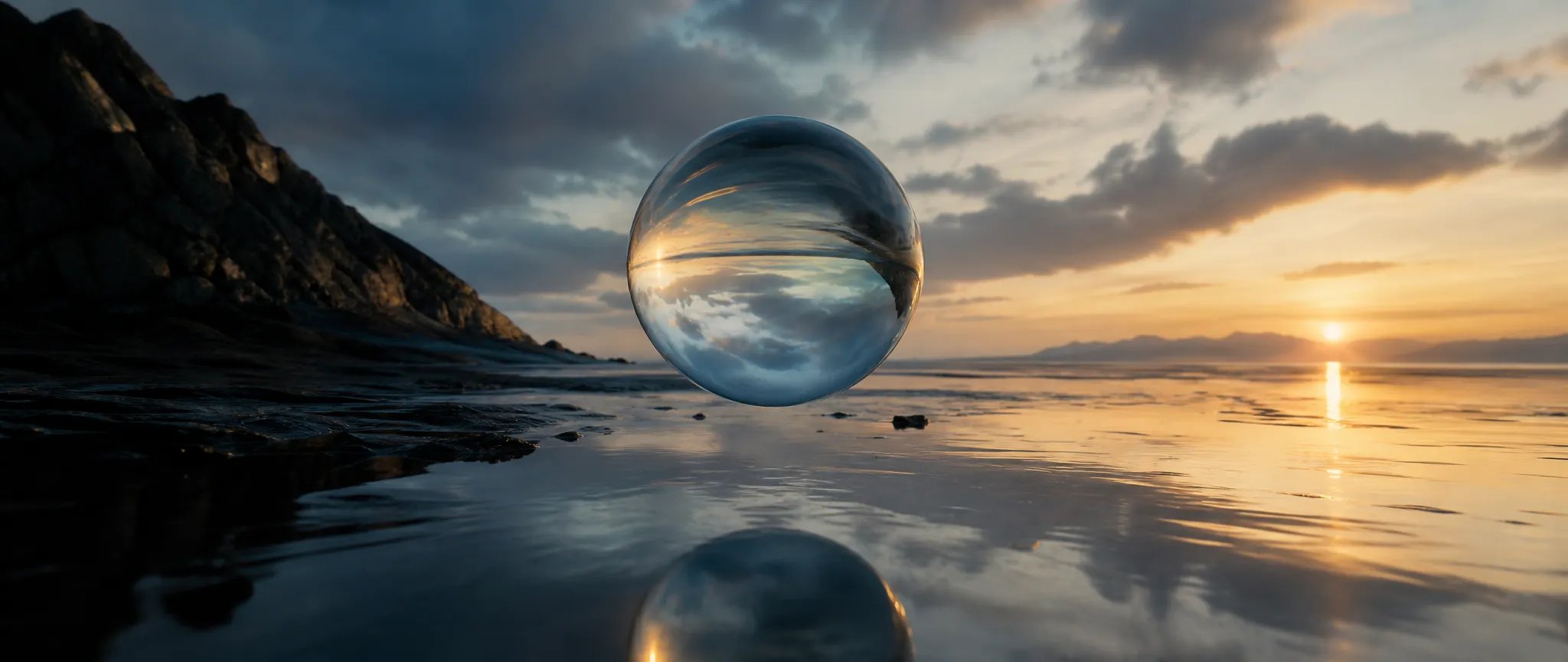
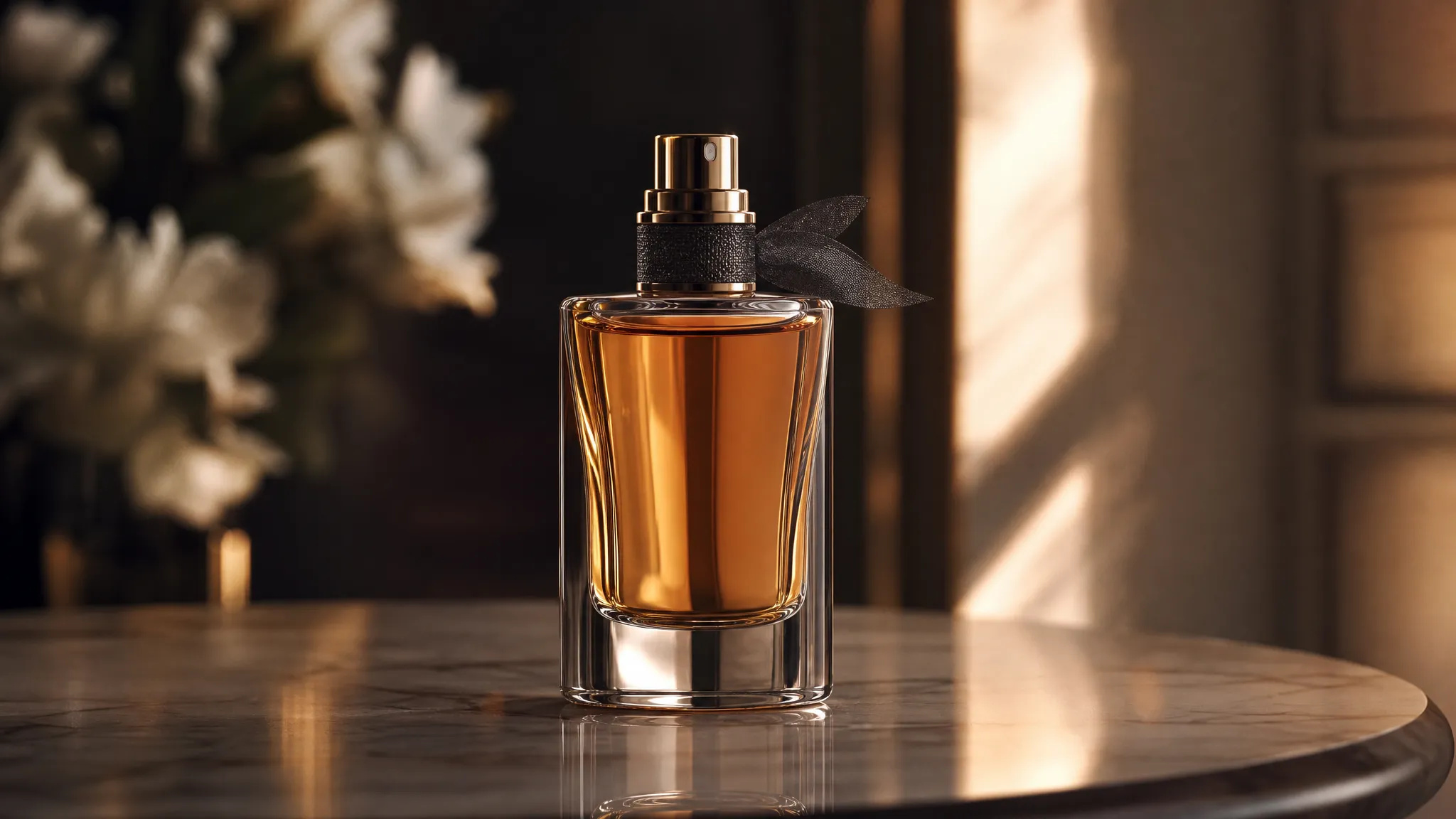
Photoreal product video
Surface materials (glass, metal, fabric, liquid) render with correct light interaction — usable for hero product shots without post-comp.

Luma AI's photorealistic video model — natural motion physics and smooth camera work, with a clean, filmic finish.
Trả một lần cho các khoản tín dụng - sử dụng chúng trên mọi mô hình trên ZOOOP. · Nạp tiền khi bạn cần, không đốt hàng tháng.
Powered by Luma AI's API on ZOOOP
Physically-grounded motion across complex actions — running, dance, animals, environmental forces like wind and water. One of Ray 2's most reliable strengths.
Stabilized dolly, crane, and tracking moves that hold focus on the subject — minimal jitter or wobble, with a steady, gimbal-like feel.
Skin, fabric, water, glass, metal — surface materials respond to lighting correctly. Reflections, refractions, sub-surface scatter all hold across the clip.
Trained on Luma's multi-modal architecture scaled to 10× the compute of the original Ray. Reduced artifacts, longer durations, better text adherence.
Surface materials (glass, metal, fabric, liquid) render with correct light interaction — usable for hero product shots without post-comp.
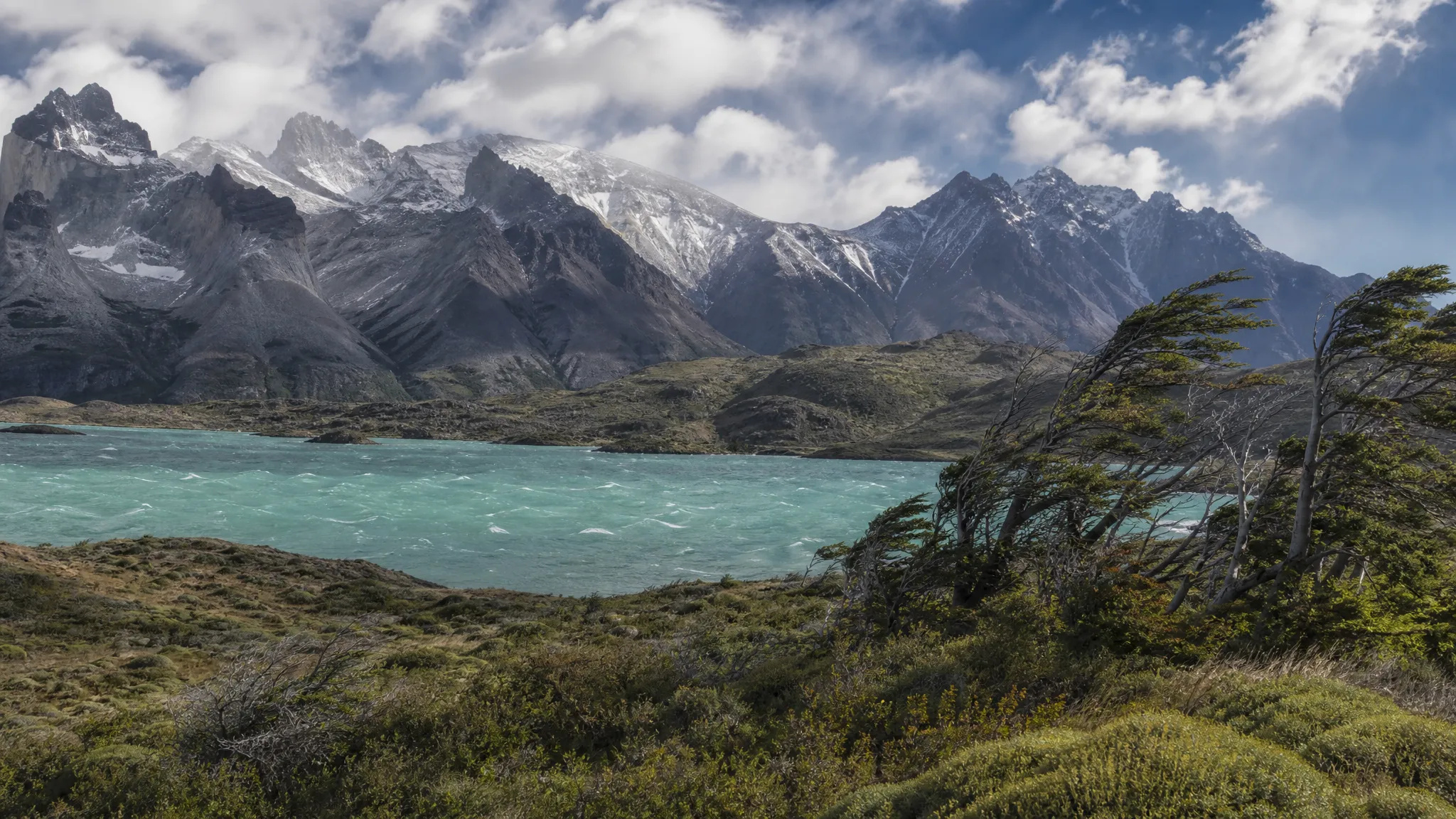
Environmental physics (wind, water, foliage motion) feel natural rather than animated — a strong fit for landscape and wildlife reference shots.
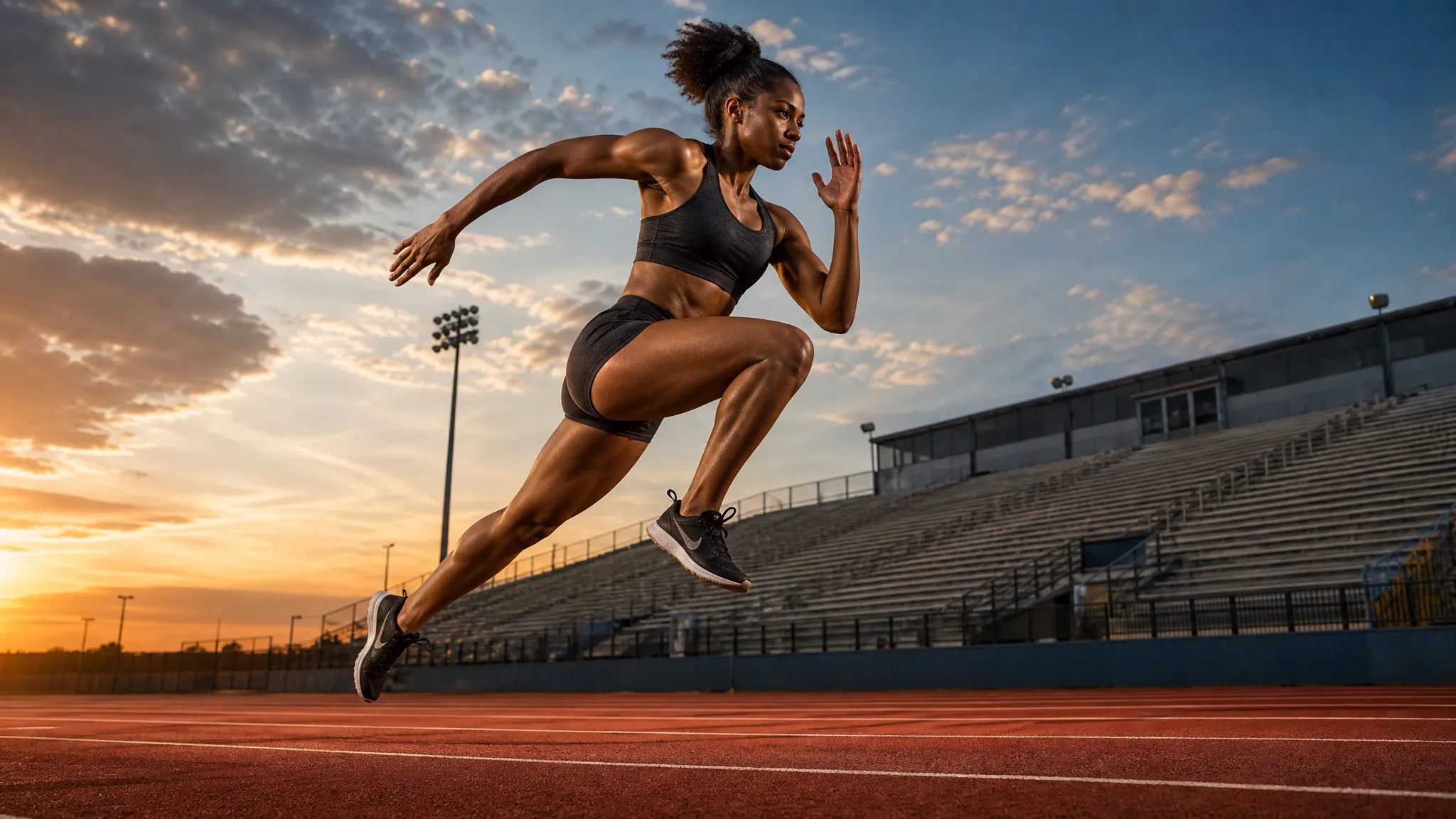
Running, jumping, dance — physically grounded body motion holds joint mechanics well, with fewer of the limb-swap artifacts common in earlier models.
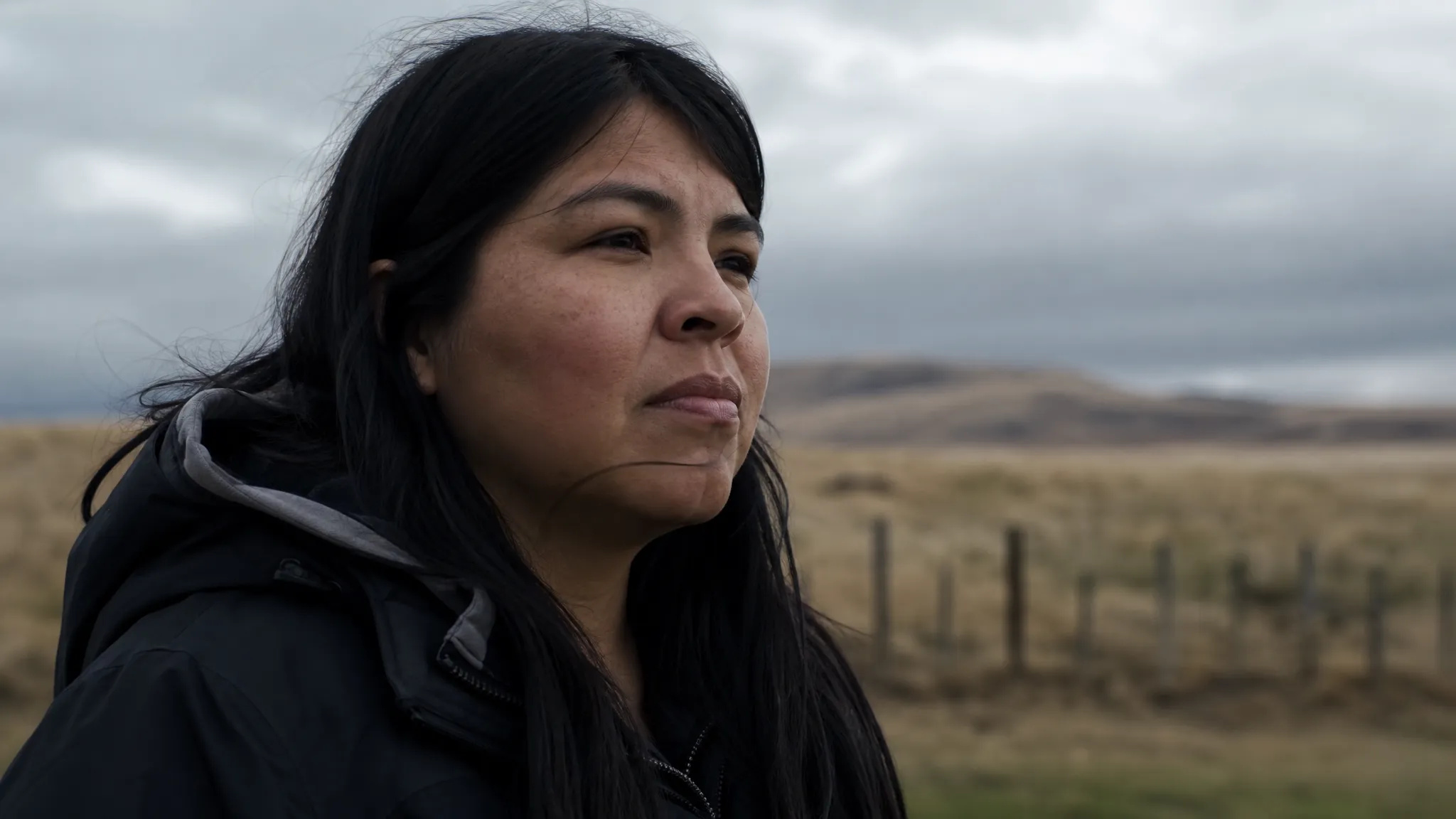
Stabilized camera tracking + photoreal subject rendering — a solid base for handheld documentary-style footage.
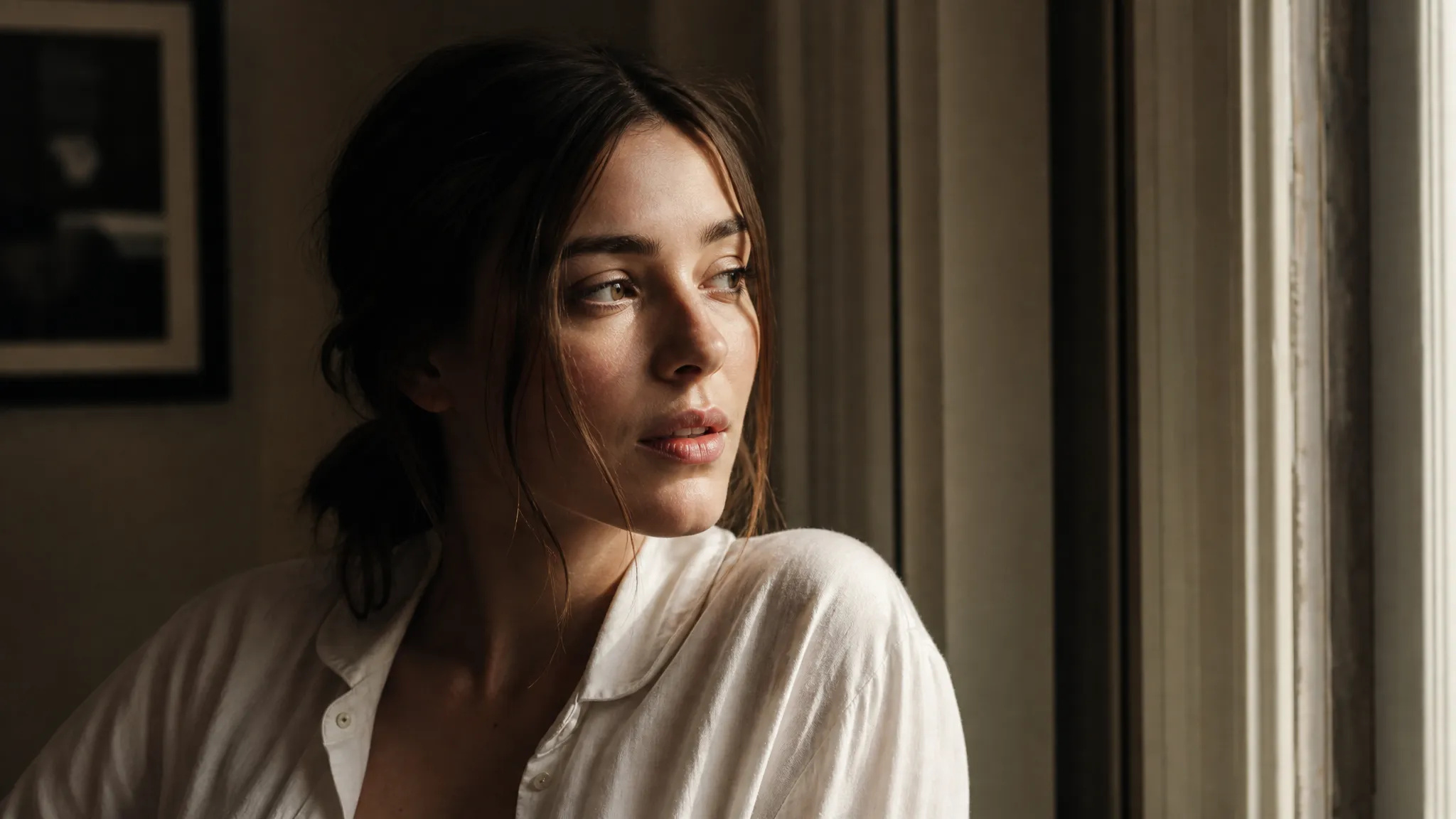
When the deliverable needs a filmic, hand-shot feel, Ray 2's steady camera and photoreal rendering deliver a clean result.
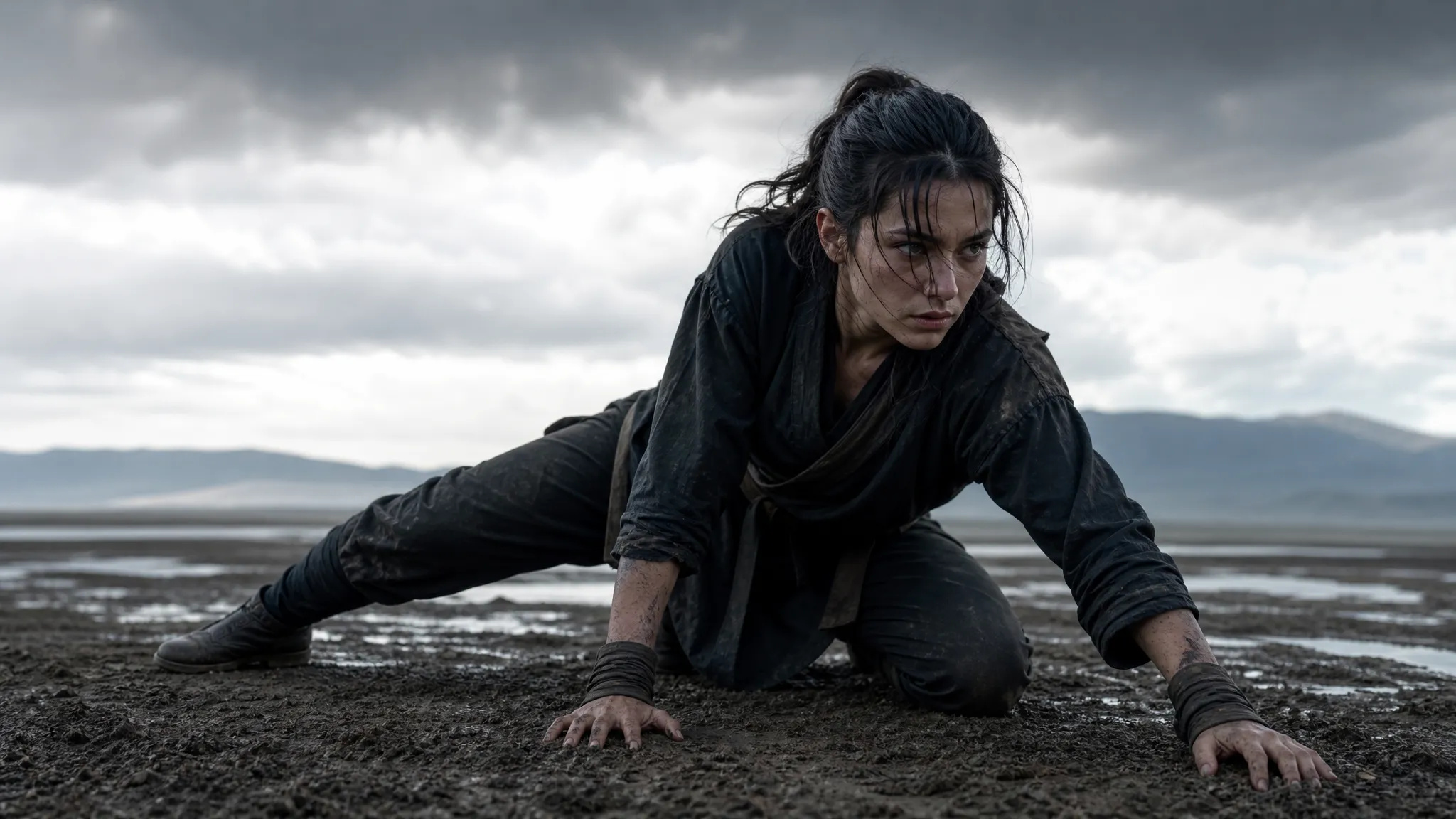
Use Ray 2 to generate live-action reference footage for animators to trace — natural motion gives animators a believable base layer.
Ray 2 is the photoreal motion specialist. Switch when your shot needs a different strength.
Open Luma Ray 2 from this page or pick it in the Video Generator.
Pick text-to-video or image-to-video (upload the seed image if image-to-video).
Write the scene — Ray 2 reads physical descriptions and camera moves precisely.
Pick duration and resolution; generate.
Luma Ray 2 is Luma AI's photoreal motion model. It's an earlier-generation flagship — newer models have since matched or surpassed it on several fronts — but it stays a dependable pick when the priority is natural motion and a steady camera. Surface materials respond to light correctly — skin sub-surface scatter, glass refraction, metal anisotropic highlights, water caustics. Camera moves stay stable like they're on a gimbal. Body motion respects joint mechanics, so a runner's stride looks ergonomic rather than loopy. The result reads as filmic without heavy post.
Under the hood, Ray 2 is trained on 10× the compute of the original Ray using Luma's new multi-modal architecture. The practical wins are: smoother camera tracking that holds focus on a moving subject without losing the frame, more physically-grounded complex motion (running, dance, animal locomotion), reduced artifacts in high-motion sequences, longer durations per clip, and noticeably better text-prompt adherence than Ray 1.
A capability that gets less attention but matters for production work is environmental physics. Many AI video models render wind, water, fire, smoke, and foliage as moving textures — they look animated rather than simulated. Ray 2 handles environmental forces with reasonable directional bias and scale-dependent behavior — wind affects loose fabric and hair before rigid objects, water surfaces respond to both wave physics and surface tension at the right scale, fire flickers asymmetrically. For nature, travel, and documentary-style footage, this pushes the result closer to a "shot" feel.
Image-to-video is supported and produces solid results — Ray 2 takes an input image as motion seed and generates outward while preserving original composition. This is useful for animating photographs, posters, paintings, and stills from other image models like Nano Banana Pro or Flux 2 Pro.
Where it's weaker: as an earlier-generation model, it trails the newest flagships on overall fidelity and prompt adherence. Multi-modal reference inputs (combined image + audio + video references) are simpler than Seedance 2.0. Native multi-shot storyboarding in one prompt is Kling V3's lane. Raw resolution at 4K is Veo 3.1's territory via its dedicated upscaler. Ray 2 stays focused on photoreal motion and camera quality; for other strengths, switch models.
A reasonable mental model: reach for Luma Ray 2 when you want steady, photoreal motion from a proven model. For the newest capabilities — higher resolution, richer references, multi-shot sequences — newer flagships have moved ahead.
A 10× compute scale-up and a new multi-modal architecture. Practical wins are smoother camera tracking, more physically-grounded motion (especially for complex actions), reduced artifacts, longer durations per clip, and stronger text-prompt adherence.
Yes — photorealistic surface materials and natural motion physics are its core strengths, and the result tends to read as filmic. It's an earlier-generation flagship, so newer models have caught up or pulled ahead in several areas, but for steady, photoreal motion Ray 2 still holds up well.
Ray 2 is strong on natural motion and smooth camera work. Veo 3.1 leads on raw resolution (1080p + 4K) and cinematic style fidelity. Seedance 2.0 leads on multi-modal reference inputs and audio sync. Ray 2 is an earlier model than both, so for the latest capabilities lean to Veo 3.1 or Seedance 2.0; for steady photoreal motion Ray 2 remains a solid pick.
Yes. Upload a starting image and Ray 2 generates motion outward, preserving the original composition. Useful for animating photographs, posters, or generated stills from any other image model.
Yes — stabilized dolly, crane, and tracking moves hold focus on the subject with minimal jitter or wobble, for a steady, gimbal-like feel. It's one of the model's more dependable strengths.























Video khung hình đầu tiên và cuối cùngVăn bản & Tham chiếu đến Video
Video khung hình đầu tiên và cuối cùngVăn bản & Tham chiếu đến Video
Video khung hình đầu tiên và cuối cùngVăn bản & Tham chiếu đến Video
Video khung hình đầu tiên và cuối cùngVăn bản & Tham chiếu đến Video
Video khung hình đầu tiên và cuối cùngVăn bản & Tham chiếu đến Video
Video khung hình đầu tiên và cuối cùngVăn bản & Tham chiếu đến Video
Luma Ray 2
Prompt*
Tỷ lệ khung hình*
Nghị quyết*
Thời lượng*