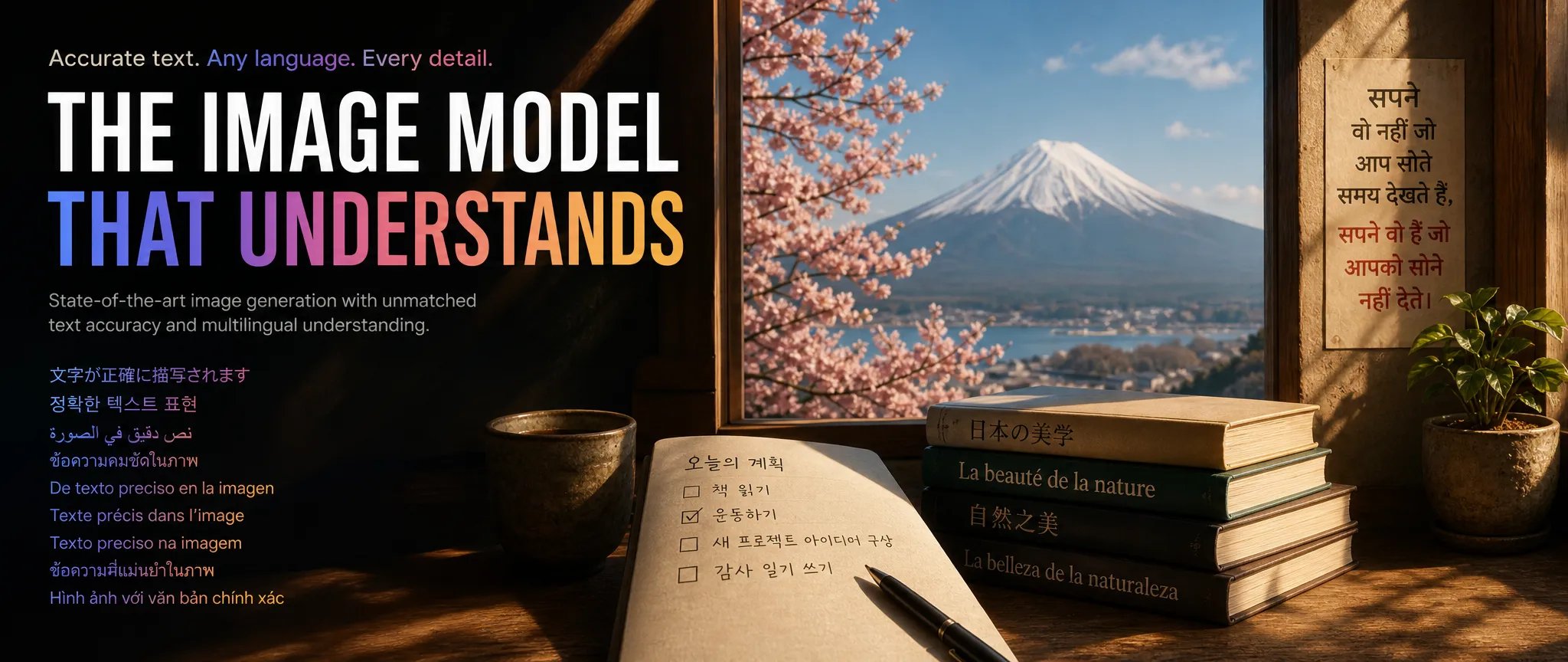
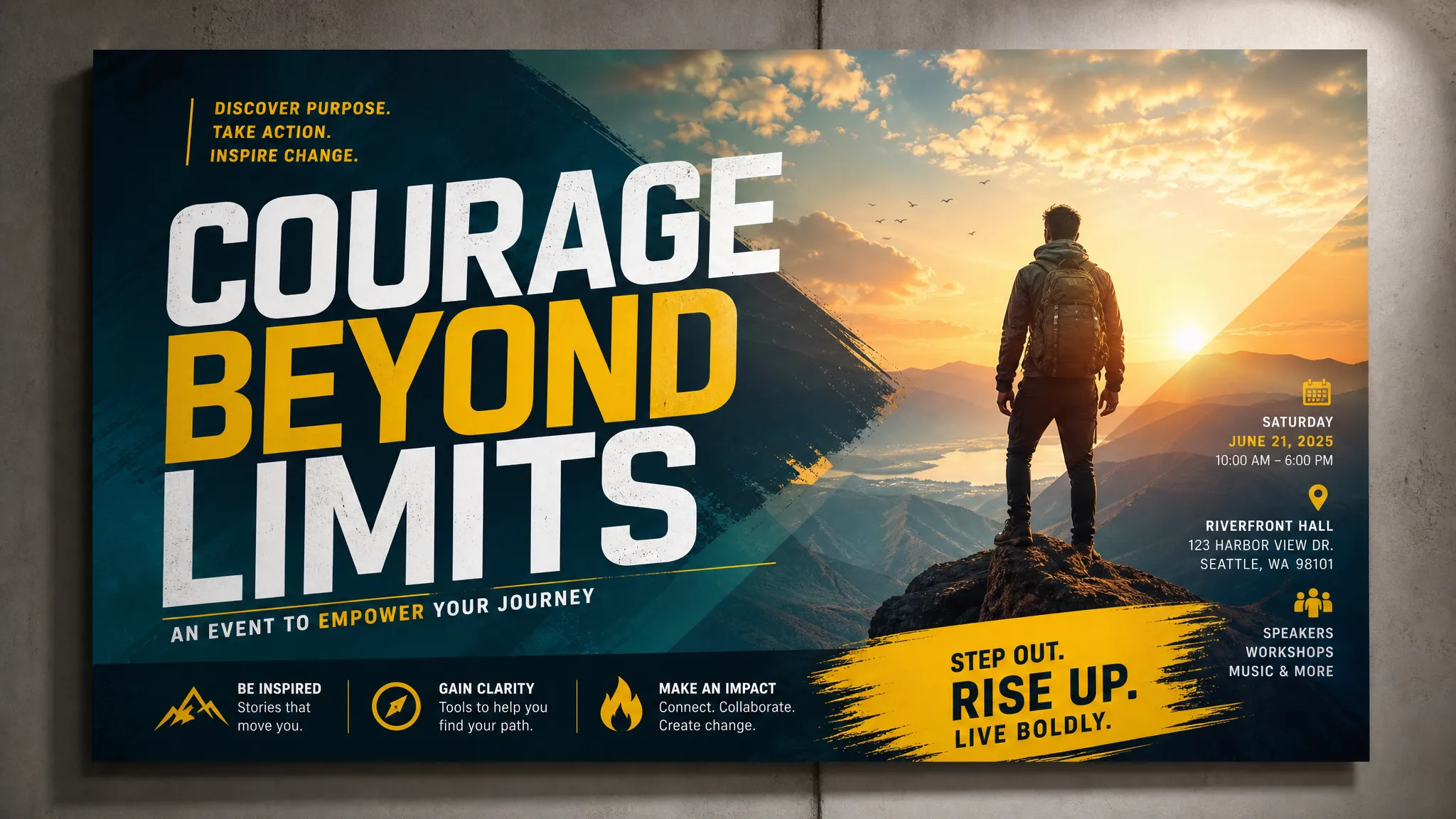
Text-heavy posters
Multi-line headlines and accurate type rendered in-image. Event posters, ad creative, and packaging mockups that ship without a separate typesetting pass.

Google's latest image model — factual accuracy, multilingual text, up to 4K, 10-image reference consistency.
จ่ายหนึ่งครั้งสำหรับเครดิต - ใช้พวกเขาในทุกรุ่นใน ZOOOP · เติมเงินเมื่อคุณต้องการไม่มีการเผาไหม้รายเดือน
Powered by Google's API on ZOOOP
Render at 1K, 2K, or native 4K. Start cheap at 1K for drafts and social, then bump to 4K for hero work — same model, no re-render in a different tool.
Renders readable type directly in the image across scripts — posters, packaging, signage, UI mockups. The Google text-rendering lineage handles multi-line copy and non-Latin scripts where earlier diffusion models garbled them.
Pass up to 10 reference images to lock a character, product, or style across generations — same face, same wardrobe, same lighting register for series content.
From 21:9 cinematic to 4:5 social, ten ratios cover every surface — billboards, feed posts, story frames — without cropping a square output into shape.
Multi-line headlines and accurate type rendered in-image. Event posters, ad creative, and packaging mockups that ship without a separate typesetting pass.
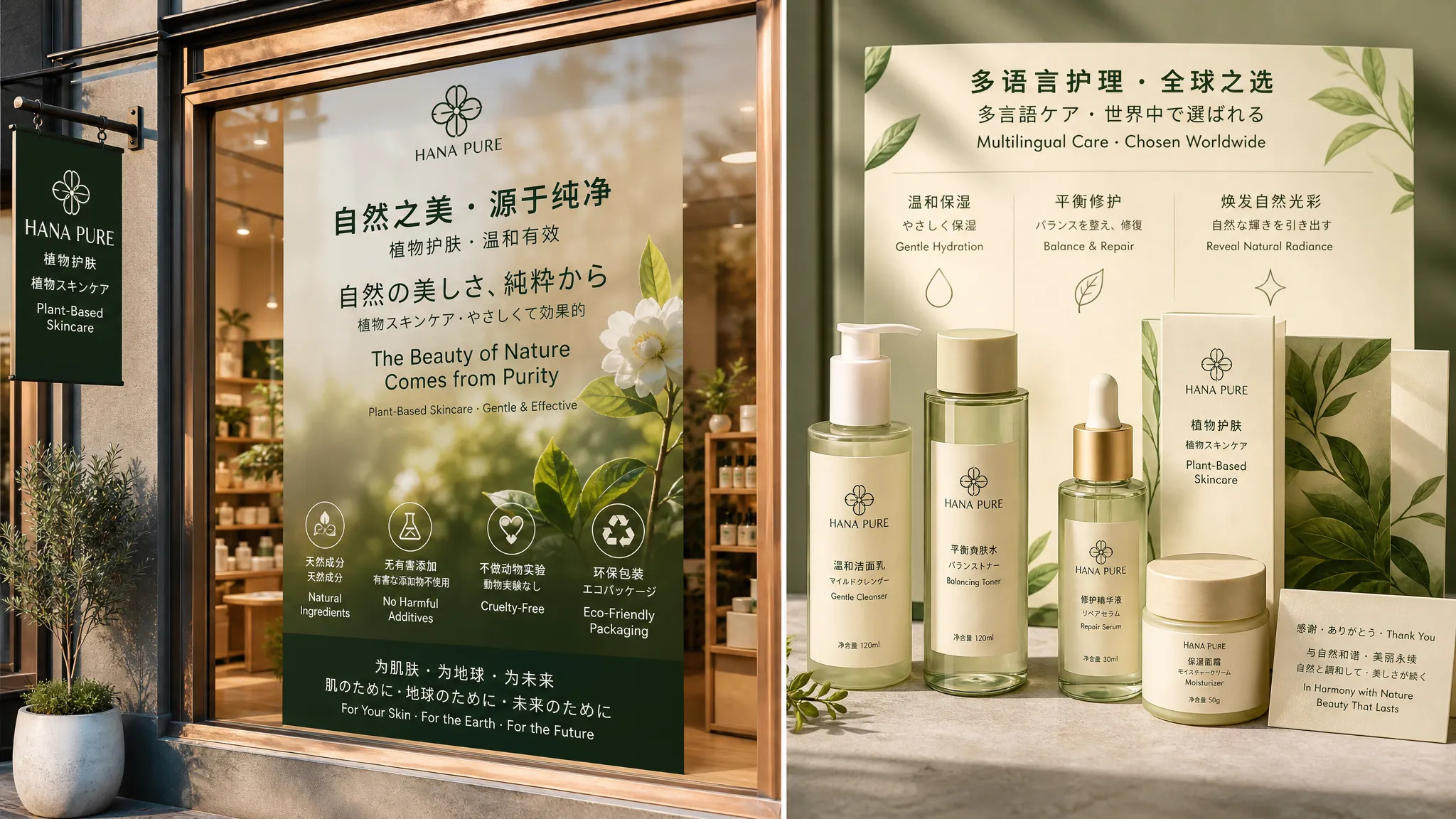
Non-Latin scripts render cleanly — localized campaigns, bilingual signage, and global packaging from one model instead of hand-set text overlays.
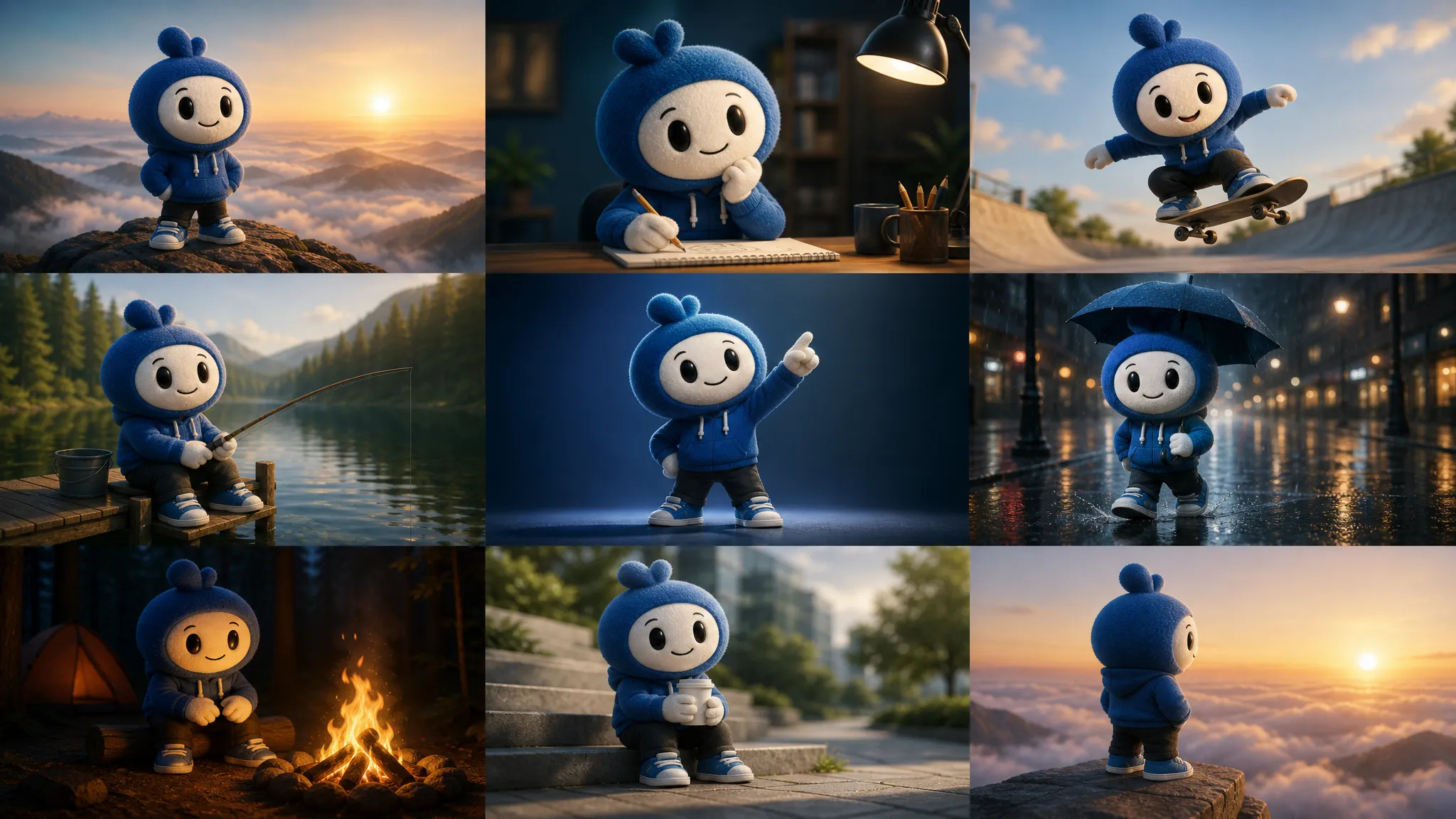
Up to 10 reference images keep the same subject across frames — storyboards, comic panels, and brand mascots that stay on-model.
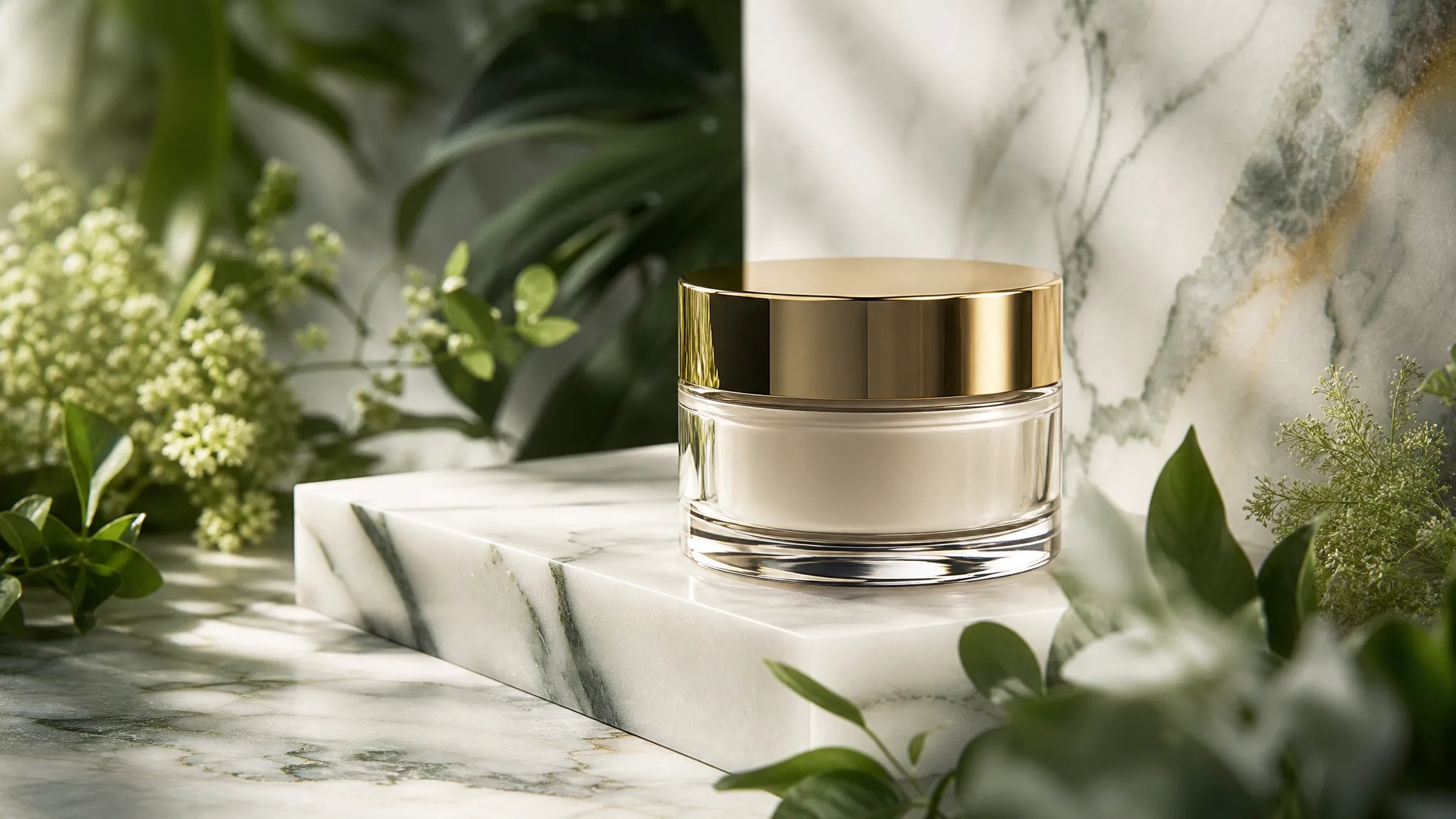
Place a product into a styled scene and hold its details with reference images. Swap backgrounds and aspect ratios without re-shooting.
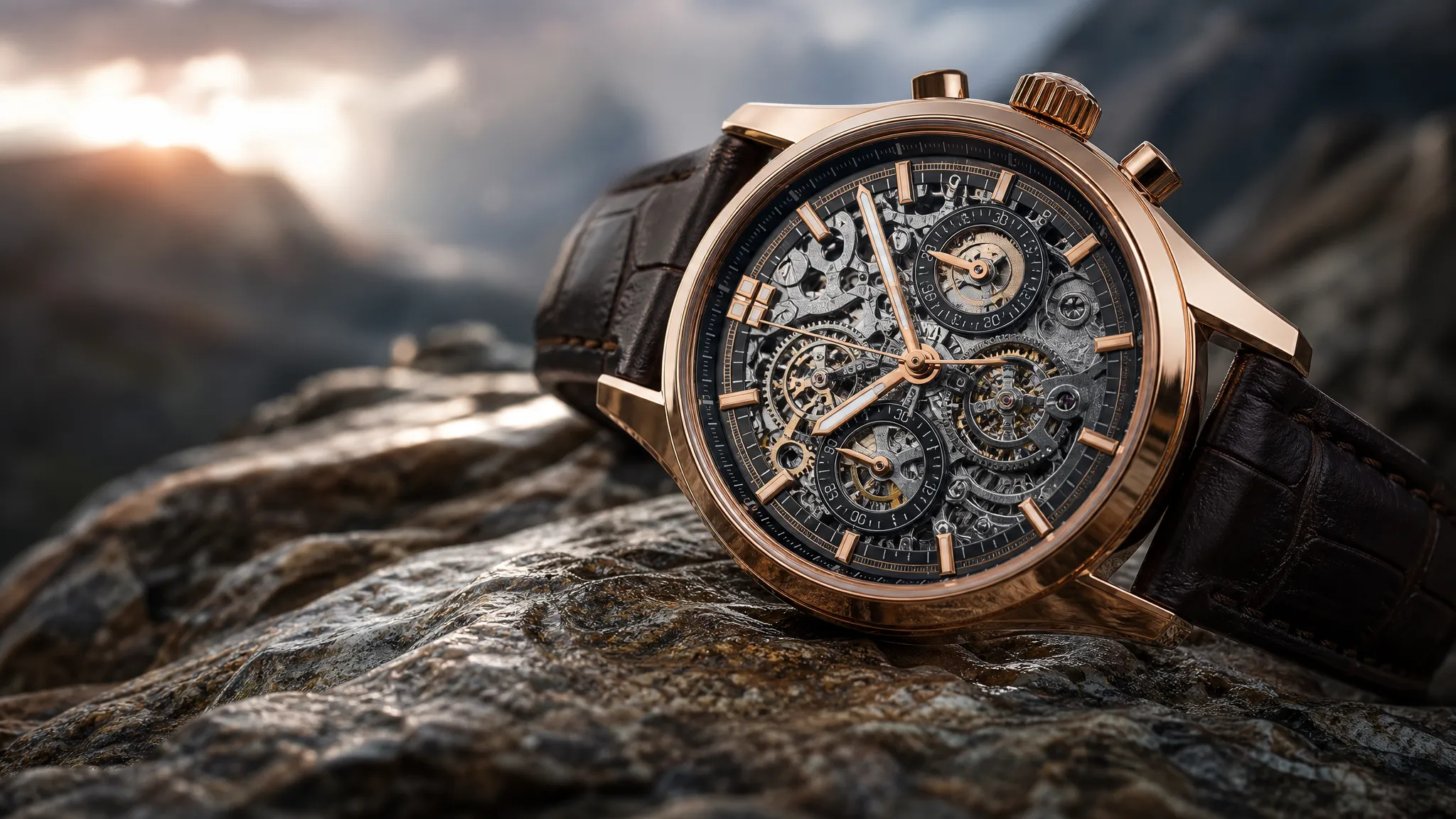
Native 4K output serves OOH, billboards, and packaging where downstream upscaling won't meet the brief.
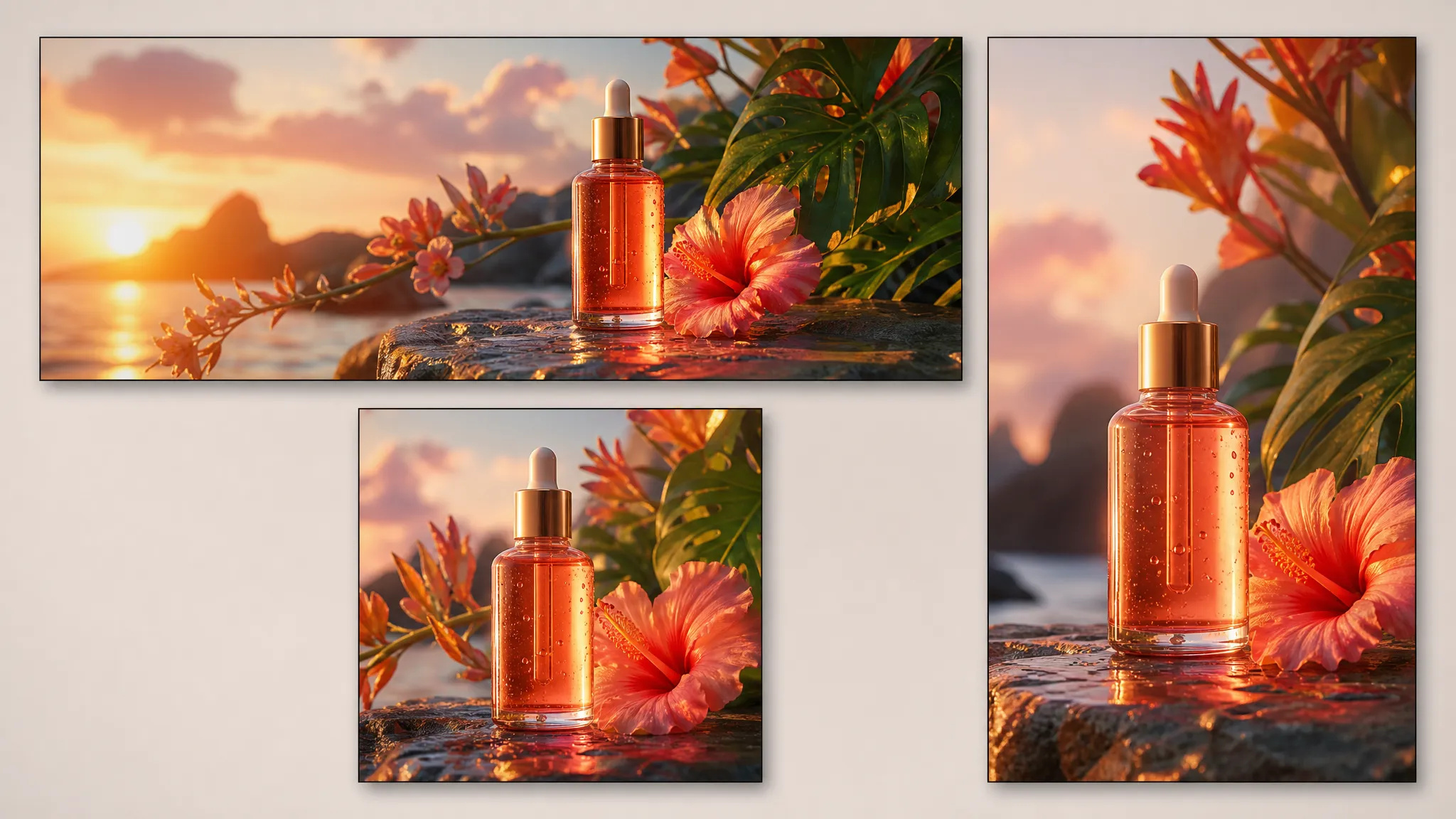
One prompt, ten aspect ratios — generate the same concept as a 21:9 banner, a 1:1 feed post, and a 9:16 story in matching sittings.
Pick the right image model. Your credits work everywhere on ZOOOP.
Open Nano Banana 2 from this page or pick it in the Image Generator.
Write the scene prompt. Include any in-image text exactly as it should read.
Pick aspect ratio and resolution; add up to 10 reference images for consistency.
Generate. Iterate with edit prompts to refine without changing the core composition.
Nano Banana 2 is the model to reach for when text and facts have to be right. Google's image lineage has the strongest in-image text rendering in the field, and Nano Banana 2 carries it forward: multi-line headlines, fine captions, and non-Latin scripts render as readable type instead of the garbled letterforms that still trip up diffusion models. For posters, packaging, signage, and UI mockups — anywhere the words on the image are part of the deliverable — this is the default.
The second strength is reference-driven consistency. Pass up to 10 reference images and Nano Banana 2 holds a character, product, or style across a run — the same face, the same wardrobe, the same lighting register. That makes it a fit for series work: storyboards, comic panels, brand mascots, and campaign variants that all have to stay on-model rather than drifting frame to frame.
Output scales from 1K up to native 4K across ten aspect ratios, from 21:9 cinematic down to 4:5 portrait social. Start at 1K to draft cheaply, then re-run the keeper at 4K for hero placement — billboards, OOH, packaging — without leaving the model. The ten-ratio span means one concept can ship as a banner, a feed post, and a story frame in matching sittings, no square-crop compromise.
Where it's weaker: photoreal portrait fidelity — skin sub-surface scatter, natural-light realism — still favors Flux 2 Pro, and exact hex-color reproduction is Flux's domain. Editing-heavy, batch-production workflows favor Seedream 4.5's six-image batches. Nano Banana 2's sweet spot is text-accurate, factually grounded, multilingual creative.
A reasonable mental model: default to Nano Banana 2 when the image carries text or has to be factually correct, and when you need a subject held consistent across many frames. For photoreal portraits and brand-color-critical work, switch to Flux 2 Pro. For edit-and-batch pipelines, Seedream 4.5.
Native 4K. You can also generate at 2K or 1K — 1K is the default and cheapest, good for drafts and social; 4K is for hero deliverables.
Up to 10. Combine a character sheet, a color palette, a product shot, and a location reference to keep a subject or style consistent across generations.
Yes — accurate, readable type directly in the image, including multi-line copy and non-Latin scripts. It's a core strength of Google's image lineage and a reason to pick it for posters, packaging, and signage.
Nano Banana 2 leads on factual accuracy and multilingual text rendering. Flux 2 Pro wins on photoreal portraits and exact hex color. Seedream 4.5 wins on editing workflows and batch production. Pick Nano Banana 2 when text accuracy and multilingual creative matter most.
Ten — 21:9, 16:9, 3:2, 4:3, 1:1, 2:3, 3:4, 9:16, 5:4, and 4:5 — covering cinematic banners through portrait social formats.





















ข้อความไปยังรูปภาพ
ข้อความไปยังรูปภาพ
ข้อความไปยังรูปภาพ
ข้อความไปยังรูปภาพ
ข้อความไปยังรูปภาพ
ข้อความไปยังรูปภาพ
Nano Banana 2
Prompt*
Image Urls
อัตราส่วนภาพ*
ความละเอียด*
Thinking Level