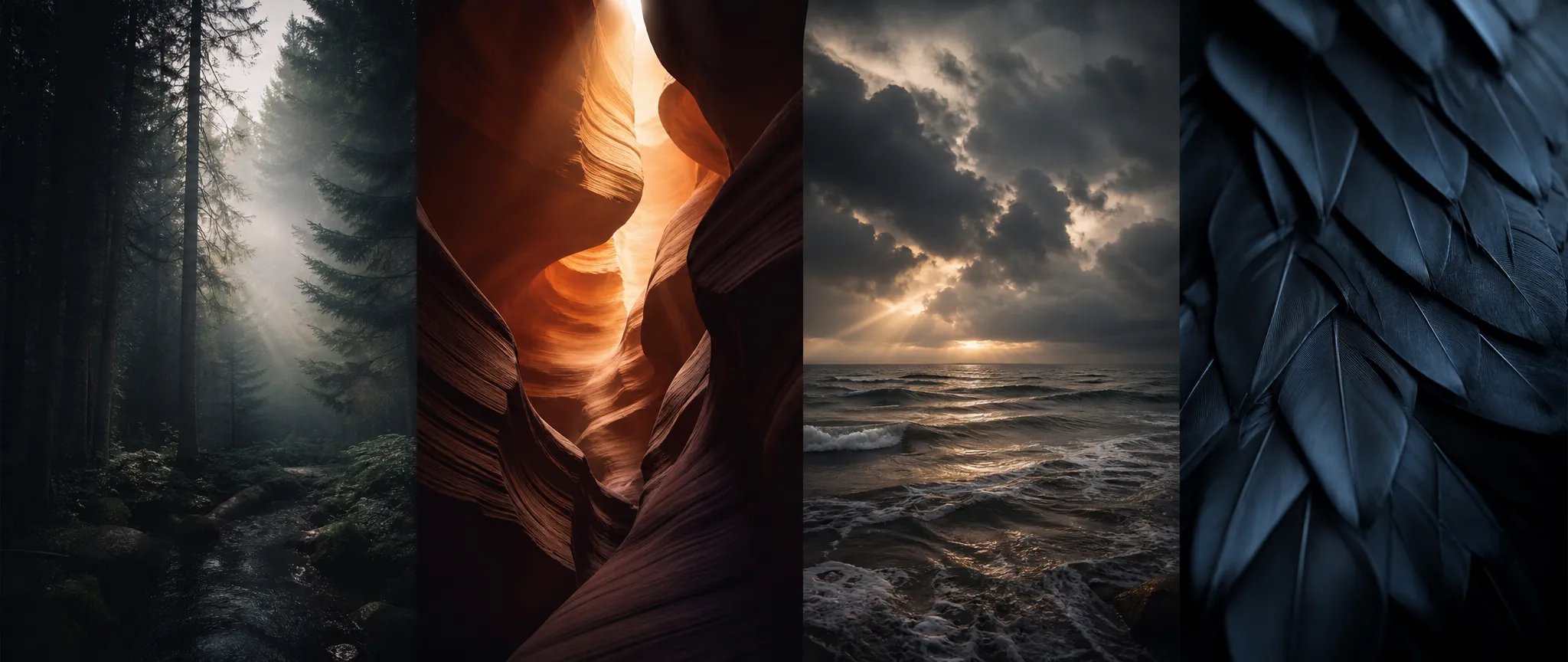
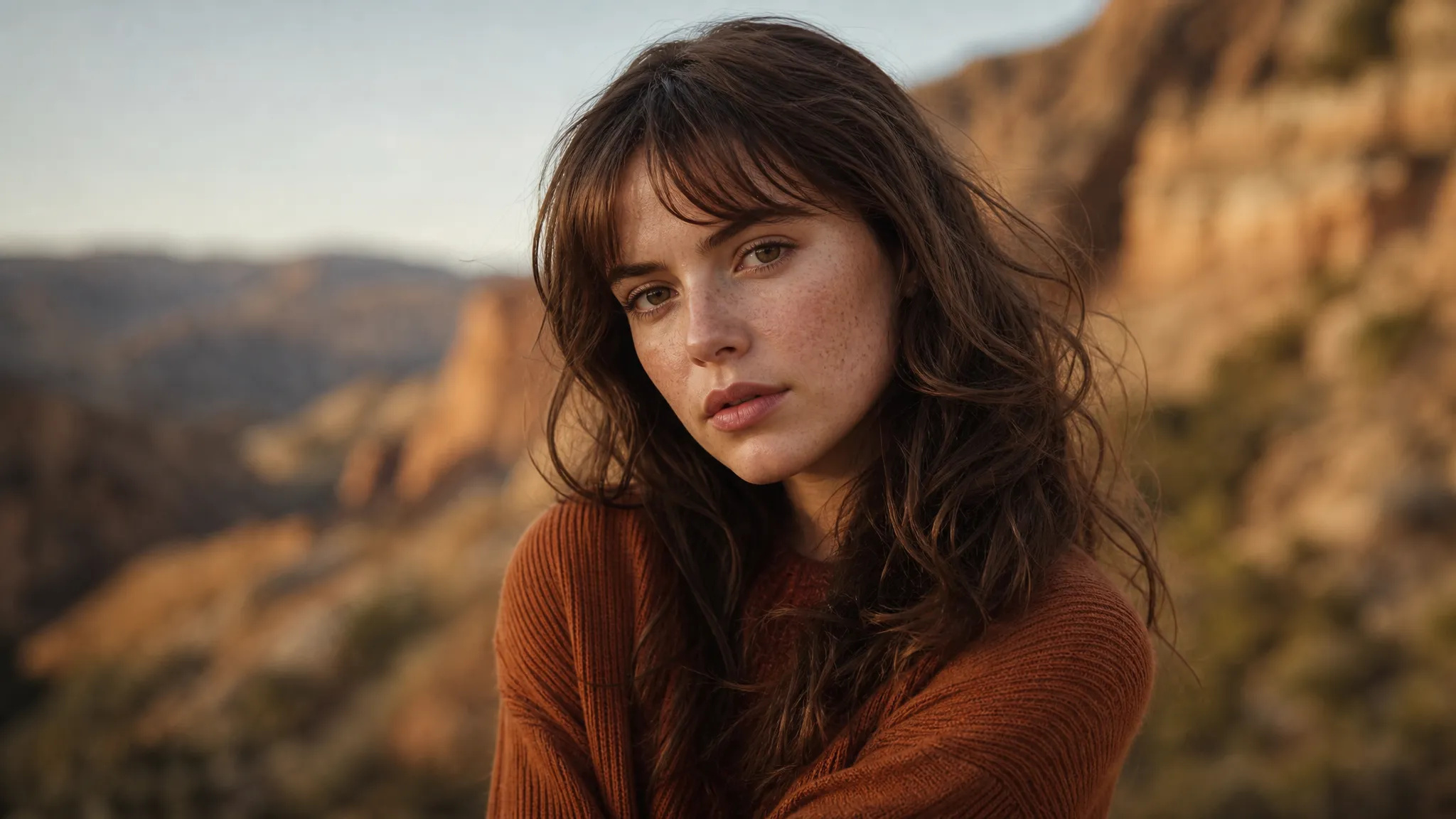
Photoreal portraits
Top of the field for skin texture, natural lighting, and human likeness. Editorial-grade portraits without the AI tells other models still produce.

Black Forest Labs' flagship 32B image model — photoreal at 4K, exact hex colors, 4-image multi-reference.
Pay once for credits — use them across every model on ZOOOP. · Top up when you need to, no monthly burn.
Powered by Flux AI's API on ZOOOP
Flux 2 Pro produces photorealistic images at up to 4K with real-world lighting and physics. Eliminates the "AI look" — skin texture, natural light, surface materials hold like a real photo.
Pass a hex code in the prompt (e.g.
Combine up to 4 reference images into a single output — character turnarounds, style boards, product hero shots, location references — all weighted into one generation.
32-billion-parameter rectified flow transformer with a Mistral-3 24B vision-language backbone. Faster generation and stronger prompt adherence than traditional diffusion at the same scale.
Top of the field for skin texture, natural lighting, and human likeness. Editorial-grade portraits without the AI tells other models still produce.
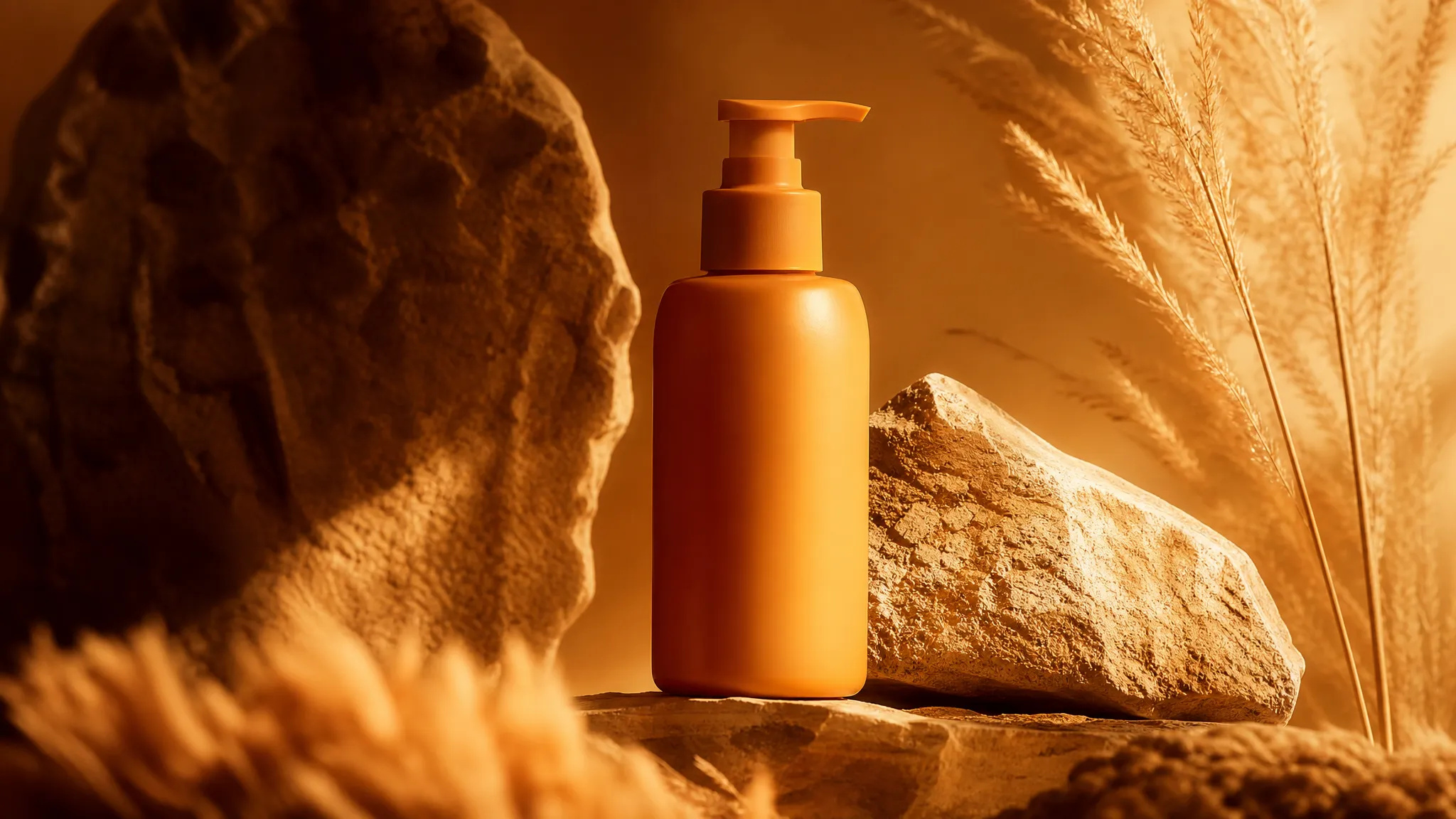
Hex code support is unique — pass your exact brand color in the prompt and the output matches. Critical for ad creative and packaging mockups.

Up to 4 reference images let you compose complex scenes — character + product + location + brand assets — all in one generation.
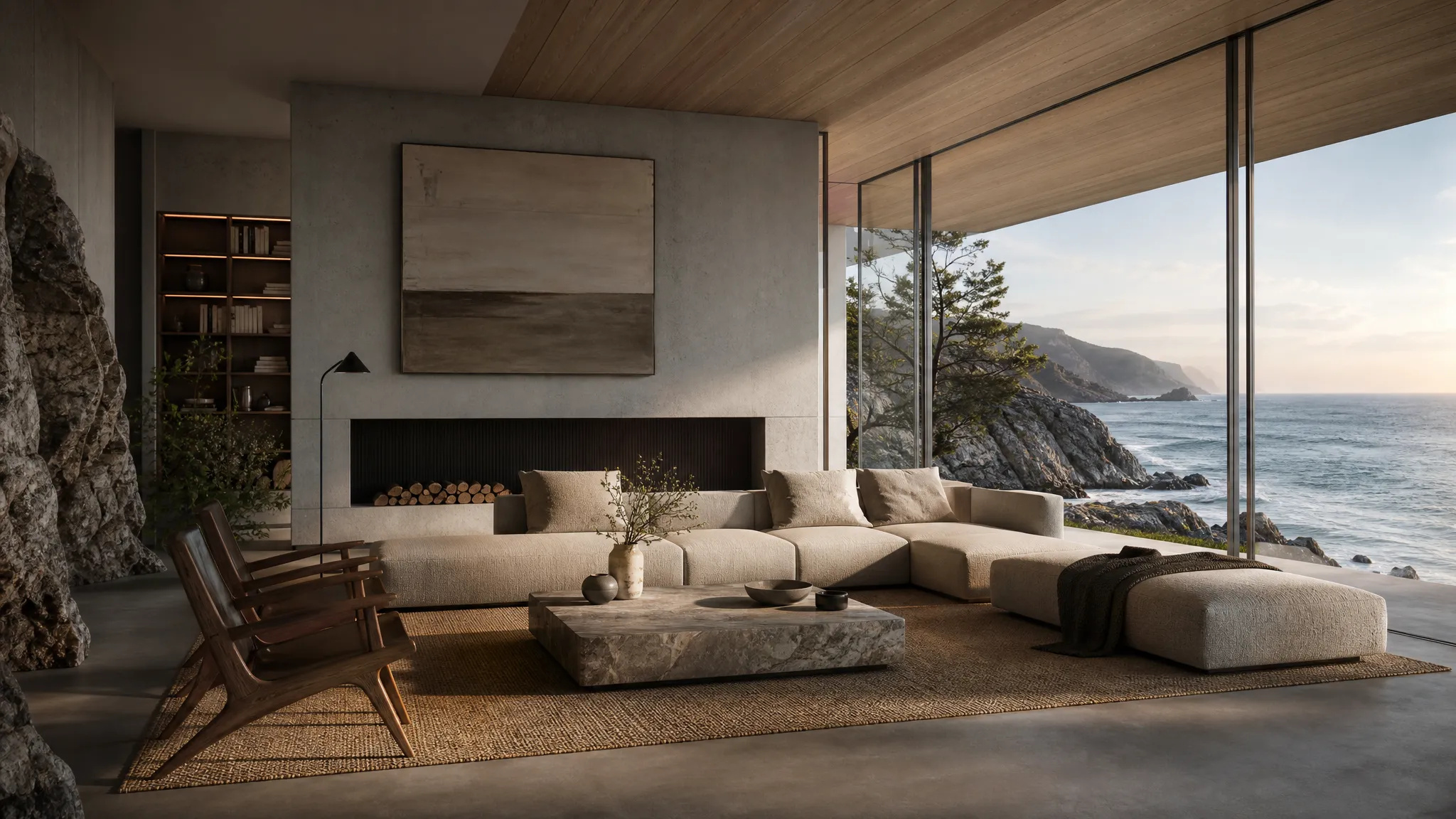
Real-world lighting and physics make Flux excellent for arch-viz and product hero shots where surface materials need to read correctly.
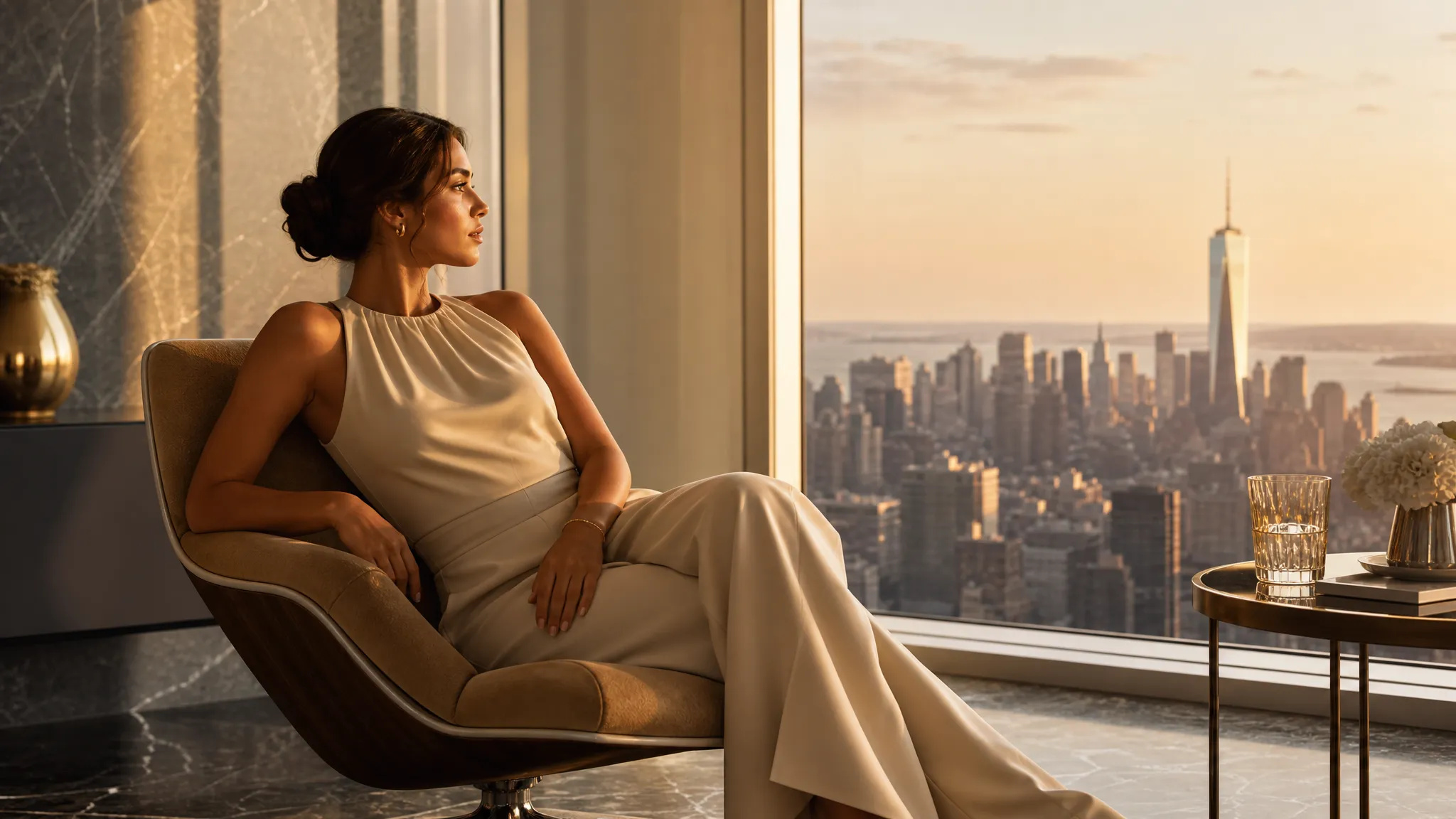
When the deliverable needs Adobe / Canva / Meta-grade polish, Flux 2 Pro is integrated with those platforms upstream and is purpose-built for that quality bar.
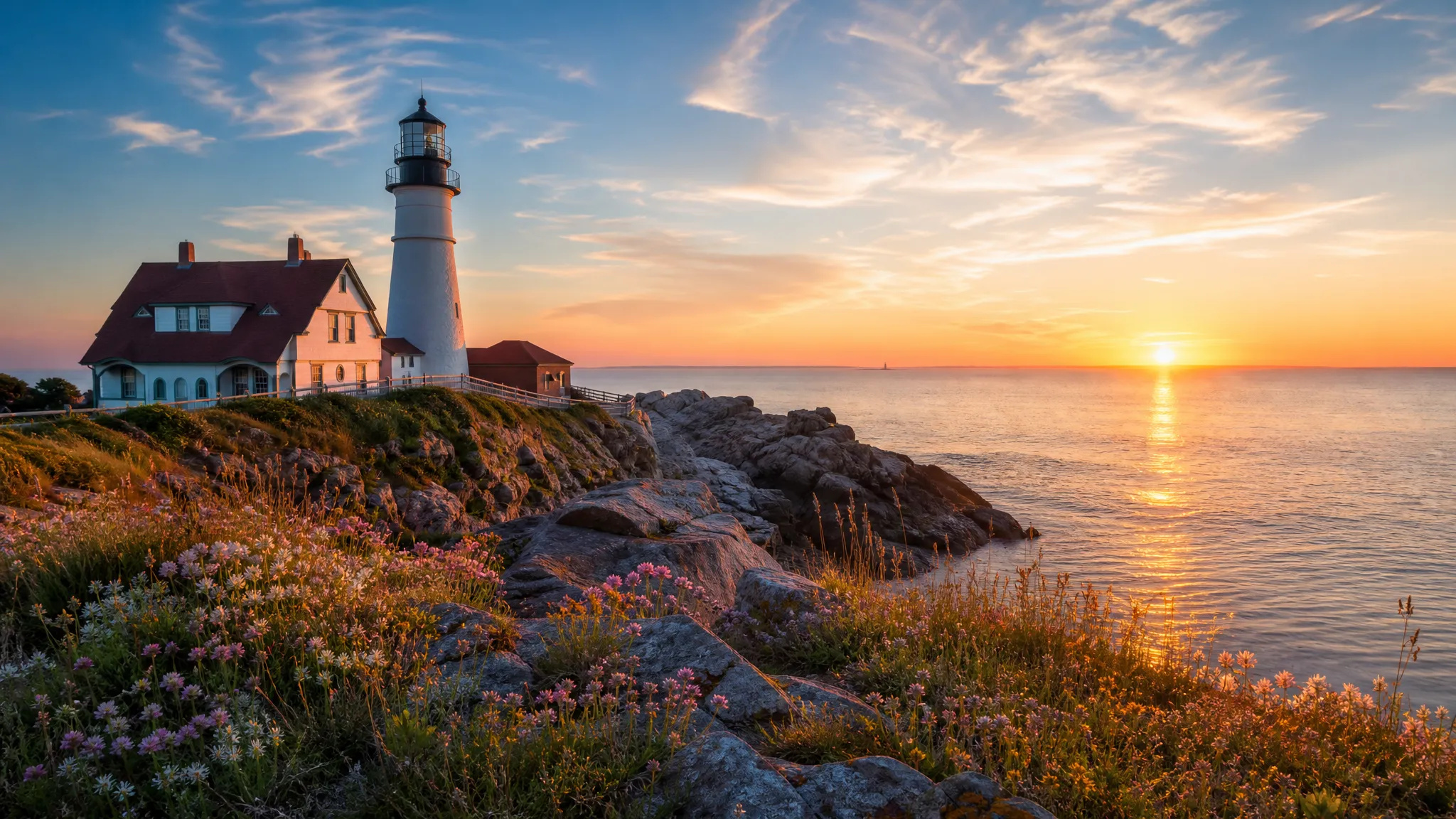
4K output at native resolution serves OOH, billboards, packaging — anywhere downstream upscaling won't fit the brief.
Pick the right image model. Your credits work everywhere on ZOOOP.
Open Flux 2 Pro from this page or pick it in the Image Generator.
Write the scene prompt. Include hex codes for any color that must be exact.
Pick aspect ratio and resolution; bump to 4K for hero work.
Generate. Iterate with edit prompts to refine without changing the core composition.
Flux 2 Pro is the model that wins on photoreal portraits and brand-color precision. Black Forest Labs (the team that left Stability AI to build their own thing) shipped Flux 2 Pro in November 2025 with a 32-billion-parameter architecture that genuinely competes for "best portrait quality" against Nano Banana Pro and OpenAI's models. Skin texture renders with natural sub-surface scatter — no plastic look, no smoothing across pores. Hair handles fine strands without melting into clumps. Natural light from windows, skylights, and overheads behaves with correct directional fall-off and bounce. For editorial portraits, fashion key art, and any deliverable where a face has to look photographed, Flux 2 Pro is the current default.
The capability that's literally unique to Flux is exact hex color reproduction. Most image models treat color references descriptively — you ask for "Coca-Cola red" and you get something that's red-ish. Flux 2 Pro accepts hex codes directly in the prompt (#E61C2A) and reproduces them with measurable precision. For brand work this isn't a nice-to-have; it's the difference between a campaign that ships and a campaign that ships back to art direction for color correction. Pair this with the model's 4K native output and you have a tool that produces brand-spec deliverables without a re-color pass.
The third major capability is 4-image multi-reference. Pass a brand logo, a color palette, a character turnaround sheet, a location reference, and a product hero — up to 4 images — and Flux 2 Pro composes them into a single output that respects all of them. Tight weighting on each reference gives sharper composition control than Nano Banana Pro's looser 10-reference soft-constraint approach.
Under the hood, Flux 2 Pro uses latent flow matching with rectified flow transformers instead of traditional diffusion. The practical wins are: faster generation per step, fewer steps to converge, stronger prompt adherence (especially for long detailed prompts), and significantly improved typography. The Mistral-3 24B vision-language backbone gives the model strong scene comprehension — it correctly understands instructions about lighting direction, camera lens choice, and depth-of-field that diffusion models still hallucinate.
Where it's weaker: factual accuracy of real-world references (real places, real product names, real historical events) is Nano Banana Pro's domain via Search grounding. Multilingual text rendering across many languages favors Nano Banana Pro. Editing-heavy, value-tier workflows favor Seedream 5.0 Lite. Flux 2 Pro's sweet spot is photoreal portraits, brand-spec color work, and premium hero deliverables.
A reasonable mental model: Flux 2 Pro is the default for portraits, brand-color-critical work, and 4K hero deliverables. For factual content, Nano Banana Pro. For editing workflows, Seedream 5.0 Lite.
A 32B latent flow matching architecture, Mistral-3 24B vision-language backbone, native 4K output, multi-reference up to 4 images, exact hex color reproduction, and substantially improved typography. The model is a generational jump on portrait realism and brand-color fidelity.
Yes. Specify
An alternative to diffusion. Flux 2 Pro learns direct mappings between text descriptions and image representations using rectified flow transformers, which results in faster generation, fewer steps to converge, and stronger prompt adherence than equivalent-scale diffusion models.
Flux 2 Pro leads on portrait photorealism, exact color reproduction, and skin / material fidelity. Nano Banana Pro leads on factual accuracy and multilingual text. Seedream 5.0 Lite wins on editing workflows and batch production. Pick Flux for portraits, brand color, and premium hero work.
Up to 4. Combine a logo, a color palette, a character turnaround, and a product or location shot into one generation — each reference is tightly weighted, giving sharper composition control than looser soft-constraint approaches.





















Prompt*
Image Urls
Aspect Ratio*
Resolution*